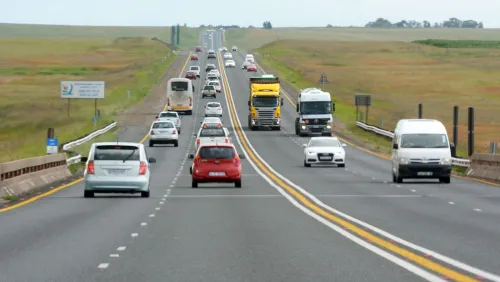
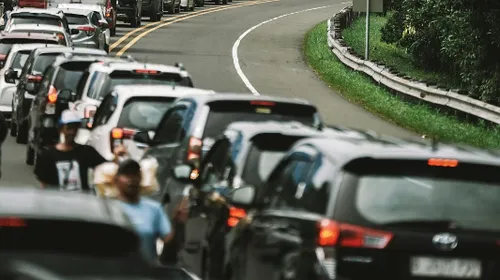
As the Easter weekend and autumn school holidays come to an end, thousands of road users are expected to embark on their return journeys, and authorities are urging motorists to be vigilant and prepared for various challenges on the N3 Toll Route.
Thania Dhoogra, chief operating officer of N3 Toll Concession (N3TC), which oversees the vital route connecting Cedara in KwaZulu-Natal to Heidelberg in Gauteng, emphasizes the potential hazards, citing data from 2025 that reveals a staggering 83% of light motor vehicle crashes and 80% of heavy motor vehicle crashes were linked to human mistakes.
N3 Toll Route Safety Concerns
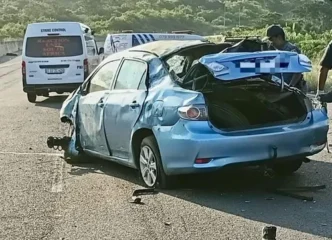
The N3 Toll Route has seen a disturbing trend of accidents largely attributed to driver error and negligence, with the most concerning incidents including single-vehicle crashes, head-on collisions often caused by risky overtaking manoeuvres, and multi-vehicle accidents during busy periods.
According to the Arrive Alive website, a leading road safety initiative in South Africa, the impact of head-on crashes and the severity of injuries sustained are often fatal or life-altering.
Tips for Safe Driving on the N3
To minimize the risk of accidents, road users are advised to maintain a safe following distance, adhere to speed limits, avoid overtaking on blind rises or solid lines, steer clear of distractions, remain sober and alert, and exercise patience.
- Maintain a safe following distance, particularly when driving behind heavy vehicles
- Adhere to speed limits, including the 80 km/h limit for heavy motor vehicles and the 100 km/h limit for public transport
- Avoid overtaking on blind rises or solid lines
- Steer clear of distractions, such as using a mobile phone while driving
- Remain sober and alert, avoiding driving when tired or under the influence of substances
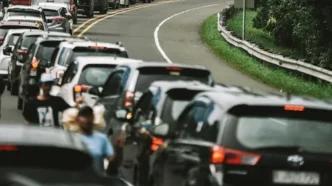
As traffic volumes are expected to surge, particularly on Monday, 6 April, and continuing into Tuesday, road users should brace for potential slow-moving conditions, with between 1,500 and 2,500 vehicles per hour predicted to flood the route.
For more information on road safety and traffic regulations, visit the Government of South Africa website.