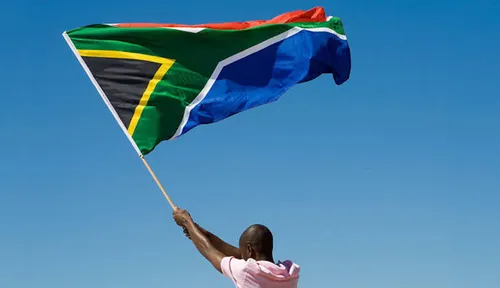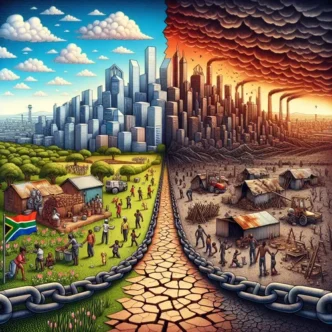

Freedom Day 2026 marks 32 years since the end of apartheid, yet for the Black majority, true freedom remains elusive. As Carl Niehaus notes, economic inequality and the ongoing struggle for justice in South Africa are stark reminders that the country still has a long way to go. According to the South African National Census, the gap between the rich and the poor continues to widen, with the wealthiest 10% of the population holding over 90% of the country’s wealth.
Understanding Economic Inequality
Economic inequality is a complex issue that affects not only the individual but also the community as a whole. It is defined as the unequal distribution of economic assets, income, and opportunities among individuals and groups. In South Africa, economic inequality is deeply rooted in the country’s history of apartheid, which systematically disenfranchised and marginalized the Black population. As a result, the Black majority was denied access to education, job opportunities, and other resources, perpetuating a cycle of poverty and inequality.
Solutions to Economic Inequality
To address economic inequality, the South African government has implemented various policies and programs, including the National Development Plan. Some of the key strategies include:
- Increasing access to education and job training
- Implementing policies to promote economic inclusion and empowerment
- Providing support for small businesses and entrepreneurship
- Addressing the legacy of apartheid through restitution and reparations
While these efforts are a step in the right direction, much more needs to be done to address the systemic and structural barriers that perpetuate economic inequality. As South Africans celebrate Freedom Day, it is essential to acknowledge the progress made while also recognizing the significant challenges that still lie ahead.