Today, South Africa celebrates Freedom Day, a time to honor the sacrifices made to end apartheid while reflecting on the challenges that remain. While we have secured political freedom, millions of citizens still face significant economic hardships.
Beyond Freedom Day’s symbolism lies a harsher reality: 32 years into democracy, the promise of constitutional equality continues to clash with lived experience, as millions remain shut out of the economic freedom that was meant to follow political liberation, a gap that, in many communities, is still widening.
Economic Inequality and Poverty
BOSA spokesperson Roger Solomons warned that freedom is undermined when 57% of children live in poverty and youth unemployment remains high. The warning reflects a broader national concern, apartheid’s legal structures may have fallen, but its economic footprint remains deeply entrenched.
Similarly, Amnesty International South Africa Executive Director Shenilla Mohamed noted that the promise of dignity remains unfulfilled for the five million people living in informal settlements without access to adequate housing, water, or sanitation. According to the Amnesty International report, Flooded and Forgotten: Informal Settlements and the Right to Housing in South Africa, families are being pushed into flood-prone areas due to a shortage of affordable housing.
Systemic Failures in Service Delivery
A recent report by the South African National Statistics Office highlights the extent of poverty and inequality in the country. The report shows that many settlements are built on low-lying floodplains, where seasonal flooding worsened by climate change destroys homes and livelihoods.
Some of the key findings of the report include:
- More than five million people remain at risk of flooding and displacement
- Many settlements are built on low-lying floodplains, making them prone to flooding
- Systemic failures in service delivery have led to a shortage of affordable housing
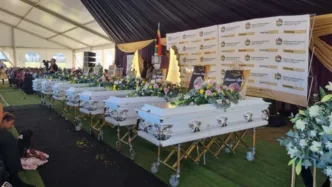
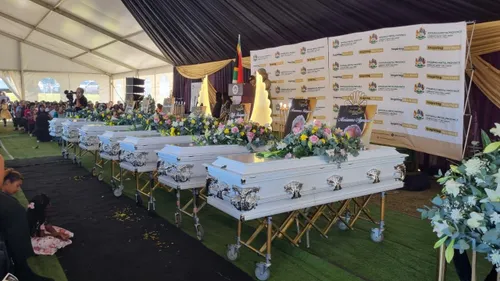
The 2022 KwaZulu-Natal floods, which killed 435 people and displaced over 128,000, remain a devastating example, with many survivors still living in temporary or unsafe housing years later.