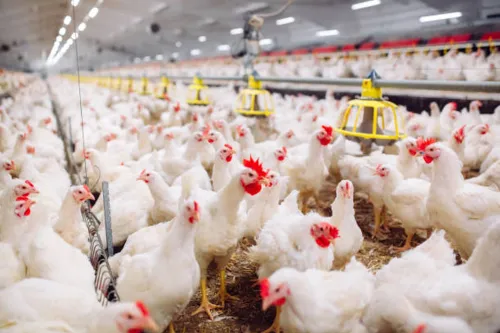
Avian flu has evolved from a farmer’s concern to a significant public health threat, with its rapid spread across the US and Europe prompting urgent discussions in South Africa. Concern mounts as the rapid spread of avian influenza across the United States and Europe has intensified calls for widespread poultry vaccination in South Africa.
Once largely confined to wild birds, the virus has increasingly drawn global attention for its ability to devastate poultry industries and, in rare cases, infect humans. Bird flu is a highly contagious viral disease that occurs naturally in wild aquatic birds such as ducks and geese. While these birds often carry the virus without showing symptoms, it can spread rapidly when it reaches domestic poultry like chickens and turkeys, often with deadly consequences.
Bird Flu Transmission
The virus spreads when infected birds shed it through their saliva, mucus and faeces. According to the Centers for Disease Control and Prevention (CDC), humans are rarely infected, but when they are, it is usually after close, unprotected contact with infected animals or contaminated environments.
This can happen by breathing in airborne droplets or dust containing the virus, touching contaminated surfaces and then touching your face (eyes, nose, or mouth). Although human infections remain rare, experts warn that the risk increases in high-exposure settings like farms.
Symptoms and Prevention
Bird flu in humans can present in different ways, including eye redness (conjunctivitis) — notably the most common symptom in recent U.S. cases. According to both the World Health Organization (WHO) and CDC, human-to-human transmission remains extremely rare and typically occurs only after prolonged, close contact with an infected person.
Health experts fear the virus could mutate and gain the ability to spread easily between humans. This is a terrifying scenario that could trigger a new influenza pandemic. But it is also worth noting that there is no need to worry about that at this point in time.
There is currently no specific human vaccine for avian influenza, according to South Africa’s National Institute for Communicable Diseases (NICD). But that doesn’t mean there’s no protection. Health authorities recommend getting the seasonal flu vaccine, especially for poultry workers. Why? It helps prevent a dangerous process called “genetic reassortment”. This happens where human flu and bird flu viruses mix to create a new, potentially pandemic strain.
- Get the seasonal flu vaccine to prevent genetic reassortment
- Avoid close contact with infected animals or contaminated environments
- Wear protective gear when handling poultry or visiting farms