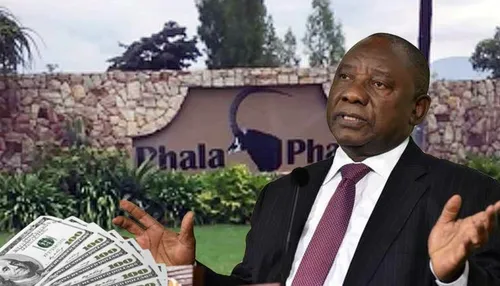
South Africa is grappling with a deepening leadership crisis, which has created a fertile ground for populism to thrive, according to political economist Nco Dube. The absence of credible leadership across politics, business, and civil society has eroded public trust, enabling demagogues to exploit the situation. As government struggles to address corruption, weak accountability, and anti-intellectualism, the country is witnessing a surge in populist movements.
Populism: A Symptom of Systemic Failure
Dube argues that populism is not the root problem, but rather a symptom of systemic leadership failure. The lack of effective leadership has led to a 20% increase in populist sentiment among South Africans, who are increasingly disillusioned with the status quo. This trend is not unique to South Africa, as many countries around the world are experiencing similar challenges, as noted on Wikipedia.
Consequences of Populism
The rise of populism in South Africa has significant consequences for the country’s democracy and economy. Some of the potential consequences include:
- Polarization of society, leading to social unrest and conflict
- Erosion of trust in institutions, including government, business, and media
- Increased risk of policy instability, which can deter investment and hinder economic growth
To mitigate these risks, it is essential for South Africa to address the underlying leadership crisis. This requires a concerted effort from all stakeholders, including government, business, civil society, and individuals, to promote transparency, accountability, and inclusive decision-making.