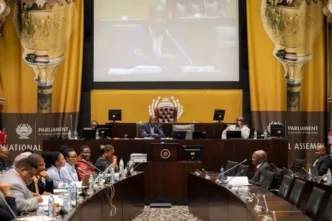

The KwaZulu-Natal provincial government’s Incentivised Early Retirement Programme (ERP) was launched to trim the provincial wage bill, but it has been met with limited success. As of March 2026, only 614 employees had taken up the offer, against a national target of 15,000 and a national allocation of R5,5 billion. Finance MEC Francois Rodgers confirmed that the programme aims to save R151,9 million in 2026/27 alone, as vacated posts are refilled at entry-level salaries.
However, the programme has been plagued by confusion and controversy. The KZN Department of Education, which has some 110,000 staff, issued a circular stating that it could not fund the ancillary costs, such as service bonuses, capped leave, and resettlement, that National Treasury had not covered. This move was rejected by Sadtu KZN, which called the department’s stance a breach of collective bargaining.
The Global Reality of Retirement
According to Statistics SA, life expectancy in South Africa has increased significantly, with males living up to 64 years and females living up to 69 years, up from 52 and 57 in 2002. This means that a government employee who retires healthy at 55 could realistically spend 30 years in retirement. Research by the American College of Financial Services shows that extending retirement by just five years raises the probability of outliving one’s savings by 41%.
A survey by FNB found that retirees over 60 often discover that their savings fall short, with many forced to continue working out of necessity rather than desire. In fact, only 6% of South Africans have saved enough to retire comfortably, defined as receiving roughly 75% of their final salary.
Why Employers Are Reluctant to Lose Institutional Knowledge
Employers, both public and private, are increasingly reluctant to lose institutional knowledge. Post-retirement contracting is now common across health care, education, and the private sector, and the Labour Appeal Court’s 2025 ruling affirming contractual retirement ages has accelerated the move toward hybrid full-time-to-consultancy arrangements. This trend is expected to continue, as employers seek to retain the expertise and experience of their older employees.
Here are some key points to consider when thinking about early retirement:
- Life expectancy is increasing, making it more likely that retirees will outlive their savings.
- Only 6% of South Africans have saved enough to retire comfortably.
- Employers are reluctant to lose institutional knowledge and are seeking to retain older employees through post-retirement contracting.