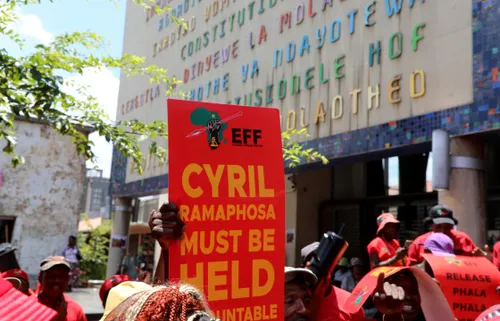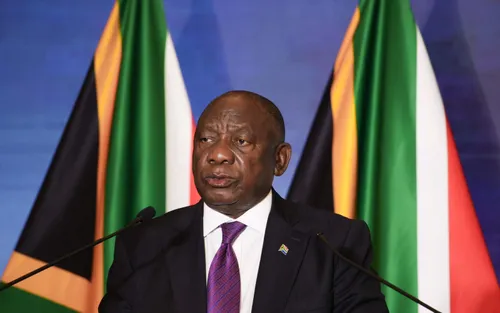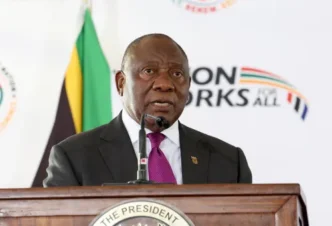
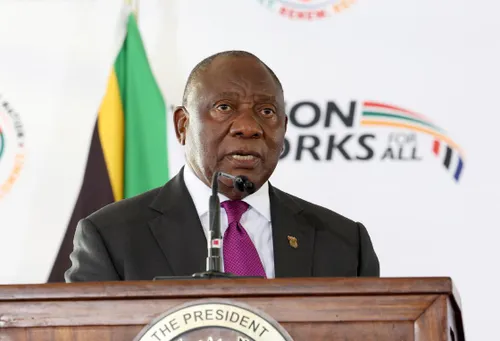
President Cyril Ramaphosa is set to face an impeachment committee following a Constitutional Court ruling that deemed the National Assembly’s previous vote on the Phala Phala scandal unlawful. This decision raises significant questions about accountability in South African politics.
The ConCourt judgment, which was handed down on a vote of 10-1, found that the National Assembly’s decision to not proceed with the impeachment process was indeed flawed, and that the rules of the assembly were not followed. As stated on the South African Parliament’s official website, the rules of the assembly are clear on how impeachment proceedings should be conducted.
What Does This Mean for Ramaphosa and the ANC?
The revival of the impeachment process against Ramaphosa has significant implications for the African National Congress (ANC) and the country as a whole. According to the Constitution of South Africa, the President can be removed from office through a vote of no confidence or an impeachment process.
Key Findings of the ConCourt Judgment
The ConCourt judgment highlighted several key findings, including:
- The National Assembly’s decision to not proceed with the impeachment process was unlawful and unconstitutional.
- The rules of the assembly were not followed, and the Speaker of the Assembly failed to ensure that the correct procedures were adhered to.
- The impeachment process against Ramaphosa should be revived, and a new committee should be established to investigate the allegations against him.
This decision is likely to have far-reaching consequences for Ramaphosa and the ANC, and will likely dominate the headlines in the coming weeks and months.