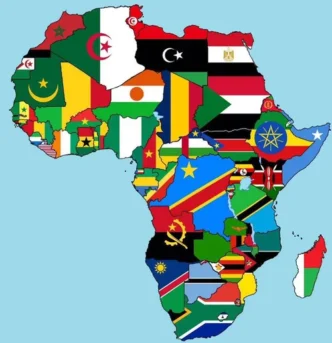

South Africa is grappling with rising social and economic frustration, and some are scapegoating foreign nationals for the country’s problems. However, Anglican priest Ven. Sizwe Ngcobo warns that this approach betrays the spirit of Ubuntu and continental unity. In his Africa Day reflection, Ngcobo argues that lawful immigration management, stronger social systems, and compassionate leadership are needed instead of fear-driven rhetoric and xenophobia.
According to the United Nations High Commissioner for Refugees, there are over 268,000 refugees and asylum seekers in South Africa, many of whom are fleeing conflict and persecution in their home countries. Instead of blaming them for the country’s woes, Ngcobo calls for solutions grounded in dignity, justice, and constitutional protection.
Xenophobia and the Plight of Vulnerable Children
The plight of vulnerable children is a particularly pressing concern. Many of these children are born to migrant parents and are often left without access to basic services such as education and healthcare. Ngcobo urges that solutions be found to address the needs of these children, rather than relying on emotional populism.
5 Key Problems with Scapegoating Foreign Nationals
There are several key problems with scapegoating foreign nationals for South Africa’s problems. These include:
- It betrays the spirit of Ubuntu and continental unity
- It ignores the root causes of the country’s problems, such as unemployment and poverty
- It can lead to violence and xenophobia
- It undermines the country’s constitutional values of dignity and justice
- It fails to address the needs of vulnerable children and other marginalized groups
As the country moves forward, it is essential that leaders prioritize lawful immigration management, stronger social systems, and compassionate leadership. By doing so, South Africa can build a more just and equitable society for all, regardless of nationality. The South African government has a critical role to play in addressing these issues and promoting a culture of tolerance and understanding.