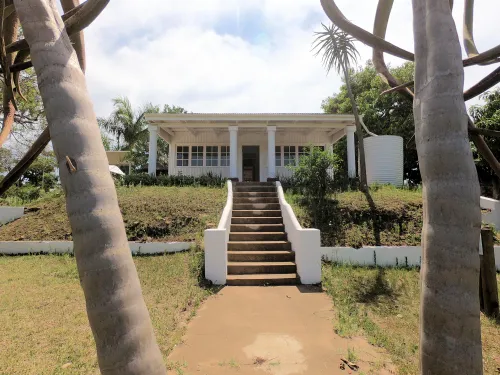
Join Uma Dhupelia-Mesthrie in exploring how Gandhi’s innovative socio-political ideas have evolved at Phoenix Settlement, a 100-acre sanctuary that has become a vital testament of unity in diversity, especially in the era of reconciliation in post-apartheid South Africa.
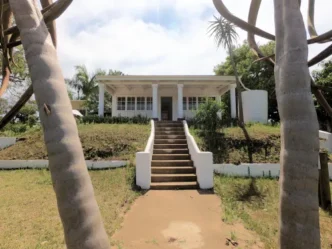
Located in Inanda, KwaZulu-Natal, the Phoenix Settlement was established in 1904 by Mahatma Gandhi, who is widely recognized as the father of the Indian independence movement. As noted on the South African History Online website, Gandhi’s vision for the settlement was to create a self-sufficient community that would serve as a model for social and economic development.
Founding Values and Vision
The founding values of the Phoenix Settlement were rooted in Gandhi’s philosophy of non-violence, simplicity, and self-reliance. The settlement was designed to be a place where people from different backgrounds and cultures could come together and live in harmony. As stated on the Wikipedia page dedicated to the settlement, the community was built on the principles of cooperation, mutual respect, and social justice.
Evolution and Impact
Over the years, the Phoenix Settlement has undergone significant changes and has continued to evolve as a symbol of unity in diversity. Today, the settlement is a thriving community that attracts visitors from all over the world. Some of the key features and attractions of the settlement include:
- A museum showcasing the life and legacy of Mahatma Gandhi
- A memorial to the Phoenix Settlement’s founding values and vision
- A community center that hosts various cultural and social events
- A range of accommodation options for visitors, from budget-friendly guesthouses to luxury lodges
The Phoenix Settlement has also had a significant impact on the local community, providing employment opportunities, promoting cultural exchange, and fostering a sense of social cohesion. As the settlement continues to grow and develop, it remains a powerful symbol of the potential for unity and cooperation in a diverse and often divided world.