The June 16, 1976 Soweto uprising was a pivotal moment in South Africa’s history, marking a turning point in the resistance against apartheid. Fifty years on, the legacy of the student revolt continues to resonate across the country, inspiring a new generation of activists. According to the Department of Women, Youth and Persons with Disabilities, the commemoration of Youth Month and National Youth Day aims to honour the legacy of the 1976 uprising while empowering young people.
Reset@50 – The Future Calls
This year’s theme, ‘Reset@50 – The Future Calls’, reflects on the past while looking towards the future. The Soweto uprising, sparked by opposition to the compulsory use of Afrikaans in black schools, became a symbol of youth courage, resistance, and the fight for equality, education, and human rights. Department spokesperson Cassius Selala noted that the uprising instilled a sense of responsibility among young people and inspired future generations to challenge injustice and fight for social change.
Western Cape Protests
In the Western Cape, the Soweto uprising triggered waves of protests, school boycotts, and unrest. On 24 June 1976, the principal’s office at Hlangisi Primary School in Nyanga was set alight, followed by arson attacks on the Langa Post Office and Zimosa School. By August, student activism had intensified, with University of the Western Cape students holding meetings in solidarity with Soweto pupils and launching class boycotts.
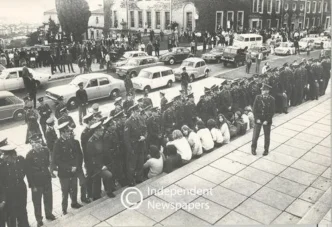
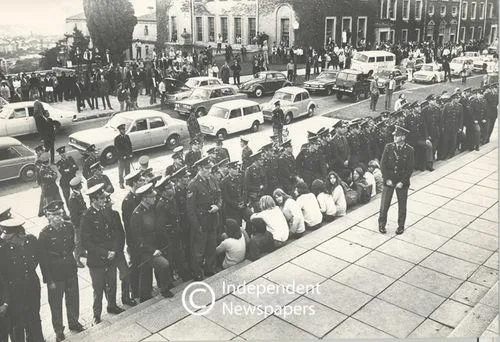
Further incidents included fires at schools in Struisbaai and Bellville South, while marches were held by pupils from Langa, Gugulethu, and Nyanga. Selala said police closely monitored the demonstrations, and dozens of people were killed in looting-related violence. UCT students also marched towards the Cape Town city centre in protest before police intervened and arrested 73 students.
Former ambassador to the United States Ebrahim Rasool, who was 13 and a pupil at Livingstone High School at the time, said the uprising profoundly shaped his political consciousness. The impact of the Soweto uprising can still be seen today, with many regarding it as a catalyst for the eventual downfall of apartheid. As South Africans reflect on the past, they are also looking towards the future, with a focus on empowering young people and promoting social change.
Some key facts about the Soweto uprising include:
- The uprising began on June 16, 1976, in Soweto, Johannesburg
- It was sparked by opposition to the compulsory use of Afrikaans in black schools
- The uprising resulted in the deaths of at least 176 people, with many more injured
- The event marked a turning point in the resistance against apartheid
For more information on the Soweto uprising, visit the Wikipedia page on the topic.