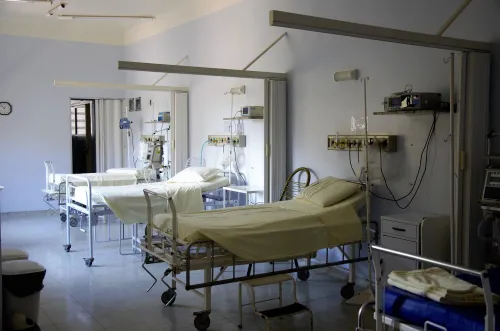
The Gauteng Department of Health is intensifying efforts to reduce a significant surgical backlog of approximately 30,600 patients awaiting operations across the province’s public hospitals. The department is implementing a combination of digital innovation, expanded surgical capacity, and targeted reforms to improve efficiency and patient-centred care in hospitals.
The estimated backlog currently stands at approximately 30,600 patients awaiting various surgical procedures, with 29,969 cases classified as legacy backlog cases and 631 representing current cases awaiting scheduling under routine service flow. According to the National Department of Health, the backlog reflects sustained system pressures over time, including increased referrals to tertiary and central hospitals, infrastructure and equipment constraints, workforce limitations, and external disruptions such as water supply challenges.
Surgical Backlog Platform
The department has implemented a series of targeted measures to increase surgical output and improve patient flow, including the rollout of the Treatment Time Guarantees (TTG) Surgical Backlog Platform. This platform enables case-level tracking across the surgical pathway, providing visibility into waiting lists and waiting times, and supporting more responsive, clinically informed decision-making.
Additional Measures
Additional measures include the recruitment of specialised clinicians, improved allocation of human resources, optimisation of capacity, and strengthened maintenance of critical equipment to minimise downtime. Hospitals are also extending operating hours, including weekends and after-hours sessions, to conduct surgical marathons focused on priority procedures. The department is also enhancing coordination within hospital clusters to redistribute cases to facilities with available capacity, while strengthening referral pathways, improving booking systems, and tightening operational oversight to reduce cancellations.
Some of the key initiatives to reduce the surgical backlog include:
- Expanding surgical capacity through the recruitment of specialised clinicians and the optimisation of existing resources
- Improving referral pathways and booking systems to reduce waiting times and cancellations
- Enhancing coordination within hospital clusters to redistribute cases to facilities with available capacity
- Strengthening maintenance of critical equipment to minimise downtime
The department’s efforts to reduce the surgical backlog are crucial in ensuring that patients receive timely and quality care. As the Western Cape Department of Health has shown, targeted interventions and digital innovation can significantly improve healthcare outcomes.