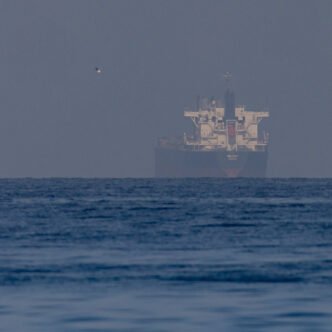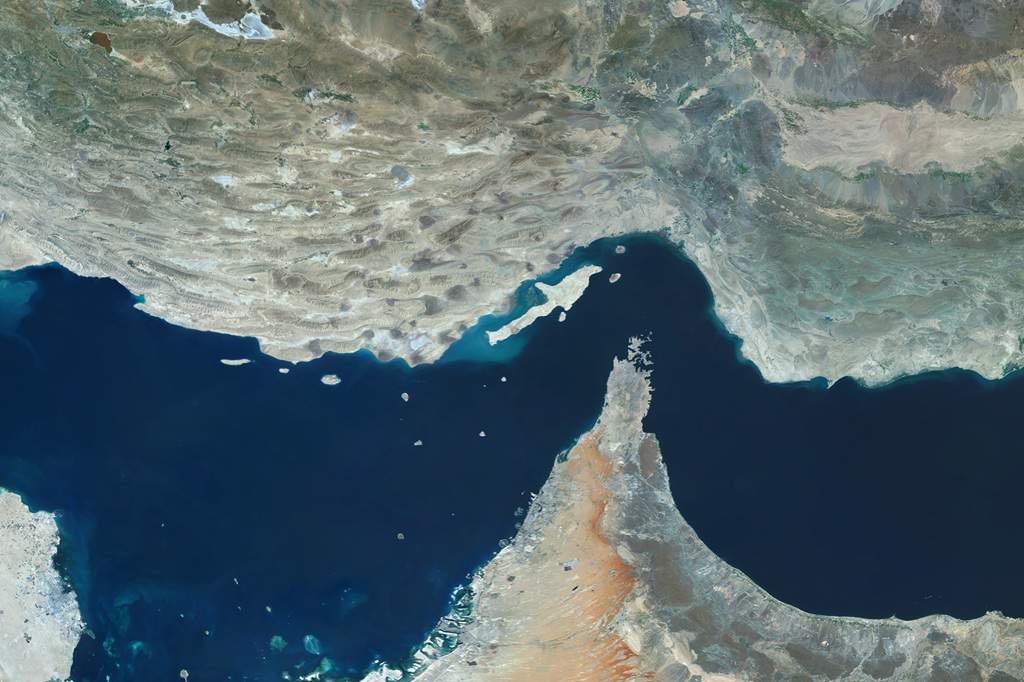
US President Donald Trump is pushing for the Strait of Hormuz to be reopened for oil tankers and other traffic without any limitations, including tolls, according to White House spokeswoman Karoline Leavitt. This move could have significant implications for global oil prices and, by extension, the cost of petrol in South Africa.
Strait of Hormuz Importance
The Strait of Hormuz is a critical waterway, with approximately 20% of the world’s oil passing through it. As such, any disruptions to traffic in the strait can have far-reaching consequences for the global economy. Trump’s call for the strait to be reopened without tolls is likely an attempt to mitigate the impact of any potential disruptions on the global oil market.
According to the US Department of State, the Strait of Hormuz is a vital shipping lane, with many countries relying on it to transport oil and other goods. The US has a significant interest in maintaining the free flow of traffic through the strait, as it is a major importer of oil.
Possible Outcomes
There are several possible outcomes to Trump’s push for a toll-free Strait of Hormuz. These include:
- A decrease in global oil prices, as the removal of tolls reduces the cost of transporting oil through the strait
- An increase in oil production, as the reduction in transportation costs makes it more economical for oil-producing countries to extract and sell oil
- A shift in global oil markets, as the changed dynamics of the Strait of Hormuz alter the balance of power between oil-producing and oil-consuming countries
The impact of Trump’s move on South Africa will depend on various factors, including the response of other countries and the overall state of the global economy. However, it is clear that the situation will be closely watched by policymakers and economists in South Africa, as the country is heavily reliant on imported oil.