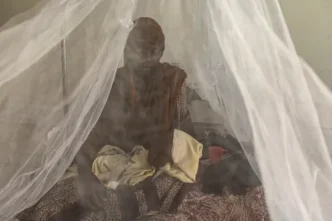
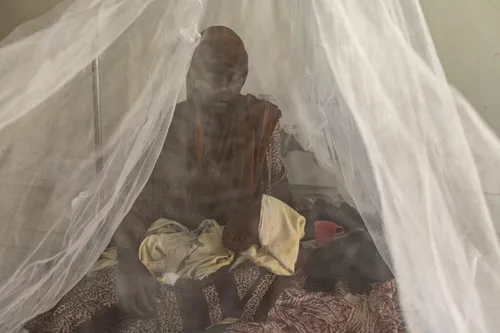
Somalia is on the brink of a catastrophic famine, with six million people facing acute hunger and two million on the verge of starvation. The situation is dire, with the United Nations warning that urgent action is needed to address the escalating crisis. According to the United Nations High Commissioner for Refugees, the displacement of people due to conflict and drought has exacerbated the problem.
Somalia Famine Crisis
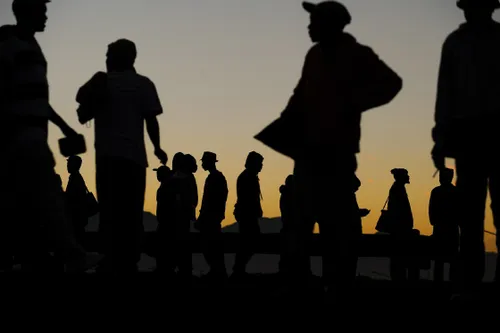
The implications of forced evictions and corruption on the lives of ordinary citizens are far-reaching. Many Somalis have been forced to leave their homes in search of food and shelter, only to find themselves in overcrowded and unsanitary conditions. The lack of access to basic necessities like clean water and healthcare has further worsened the situation.
Corruption has also played a significant role in the crisis, with many aid agencies struggling to deliver assistance due to bureaucratic red tape and extortion. As noted by the Transparency International organisation, corruption can have devastating effects on a country’s ability to respond to humanitarian crises.
Causes of the Crisis
Some of the key factors contributing to the famine include:
- Drought: Somalia has experienced several years of severe drought, leading to crop failure and livestock deaths.
- Conflict: Ongoing conflict in the country has displaced millions of people, making it difficult for them to access basic necessities.
- Corruption: Corruption has hindered the delivery of aid, with many agencies struggling to navigate the complex and often corrupt system.
The international community has a critical role to play in addressing the crisis. Donor countries must increase their support for humanitarian efforts, while also working to address the root causes of the crisis. For South Africans, the situation in Somalia serves as a reminder of the importance of supporting humanitarian efforts and promoting sustainable development in Africa.