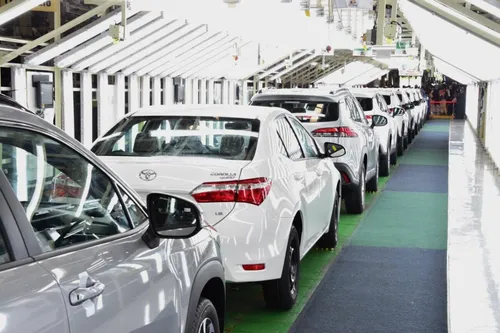
South Africa’s new vehicle market delivered a strong performance in April, with domestic new vehicle sales rising 13% year-on-year to 47,979 units, according to the Automotive Business Council (Naamsa). This represents an increase of 5,512 units compared to the 42,467 vehicles sold the same month a year ago, and marks the best April performance since 2013.
However, mounting macroeconomic pressures, particularly sharply higher fuel prices, are casting a shadow over the sector’s near-term outlook. A key turning point came in April, when escalating geopolitical tensions in the Middle East triggered a surge in global oil prices. This has translated directly into higher fuel costs for South Africa, where road transport dominates freight logistics and distribution networks.
Fuel Prices and Inflation Risks
For South Africa, where road transport underpins the majority of freight activity, higher fuel prices are directly transmitted into supply chain costs, distribution margins, and ultimately consumer prices, as noted by Naamsa. The South African Reserve Bank has also warned of the potential impact of higher fuel prices on inflation.
In the vehicle market, these pressures feed through to the total cost of ownership, placing additional strain on demand in an environment characterised by tightening credit conditions and increasingly constrained real disposable incomes. Although inflation remained relatively contained at 3.1% year-on-year in March, Naamsa said this figure does not yet reflect the full effect of the recent fuel price shock.
Monetary Policy Outlook
The April consumer price inflation print, due in May 2026, will be the first to reflect these effects more comprehensively. Forward-looking indicators suggest a meaningful acceleration in inflation over the coming quarters, with fuel and transport costs acting as the primary transmission channels. At the same time, the monetary policy outlook has shifted, with earlier expectations of interest rate cuts replaced by concerns that rates may need to remain higher for longer — or even rise — to contain inflationary pressures.
Some of the key factors that will impact the vehicle market in the coming months include:
- Higher fuel prices and their impact on consumer prices
- Tightening credit conditions and their effect on vehicle affordability
- Changes in monetary policy and their impact on interest rates
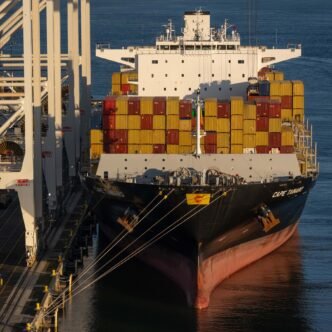
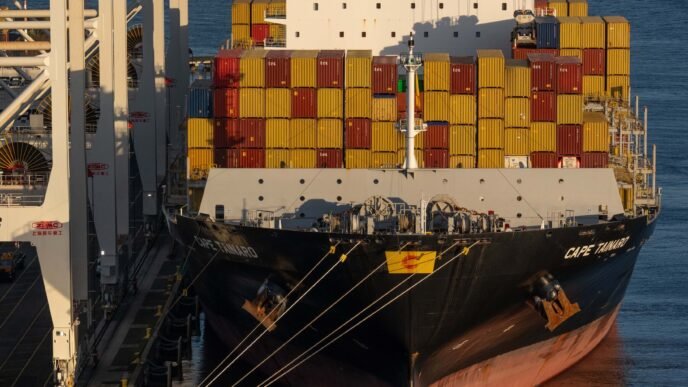
Despite these headwinds, the April sales data suggests that domestic demand remains relatively robust for now, supported by a replacement cycle and earlier improvements in consumer sentiment. However, export performance has weakened, with volumes declining by 4% year-on-year to 30,939 units relative to the 32,229 units shipped in April 2025, amid global uncertainty and softer demand in key markets.