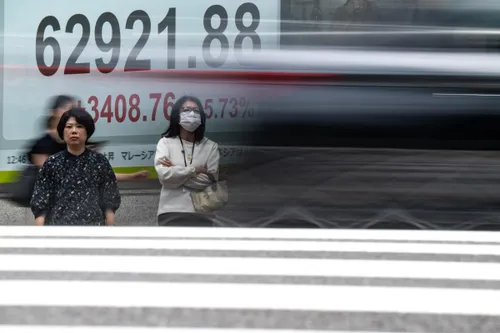
South Africa faces the likelihood of an economic growth slowdown, a more prolonged inflation surge, and interest rate hikes as the conflict between the US and Iran escalates. According to John Loos, an independent economist, the conflict, which has moved into its third month with little sign of being resolved, has resulted in a decline in global oil stocks, leading to increased oil prices.
The impact of the conflict on the global economy has been significant, with International Monetary Fund predicting a slowdown in economic growth. The conflict has also led to an increase in oil prices, with Brent crude oil prices rising to over $113 per barrel. This has resulted in a decrease in consumer spending, with consumers becoming more cautious and constrained in their demand for luxury and non-essential items.
Impact on South African Economy
The conflict is likely to have a significant impact on the South African economy, with the rand coming under pressure, trading at R16.88/$ against the dollar, R19.64/€ against the euro, and R22.73/£ against the pound. According to Reezwana Sumad, a research analyst at Nedbank CIB, the rand is expected to remain under pressure due to the prevailing risk-off sentiment.
Interest Rate Hikes
The South African Reserve Bank (SARB) is expected to announce its next interest rate decision later this month. With the conflict showing no signs of being resolved, there is a high likelihood of interest rate hikes, which could lead to an increase in borrowing costs for consumers and businesses. This could have a significant impact on the economy, with consumers and businesses being forced to reduce their spending and investment.
Some of the key factors that are likely to influence the SARB’s decision on interest rates include:
- Inflation rates: The conflict has led to an increase in oil prices, which could lead to higher inflation rates.
- Economic growth: The conflict has resulted in a slowdown in economic growth, which could lead to lower interest rates.
- Exchange rates: The rand is expected to remain under pressure due to the prevailing risk-off sentiment, which could lead to higher interest rates.
As the conflict continues to escalate, it is likely that the SARB will take a cautious approach to interest rates, with a focus on maintaining economic stability and controlling inflation. According to Bianca Botes, the managing director at Citadel Global, the conflict has resulted in a risk-off sentiment, with investors seeking safe-haven assets such as gold and the US dollar.