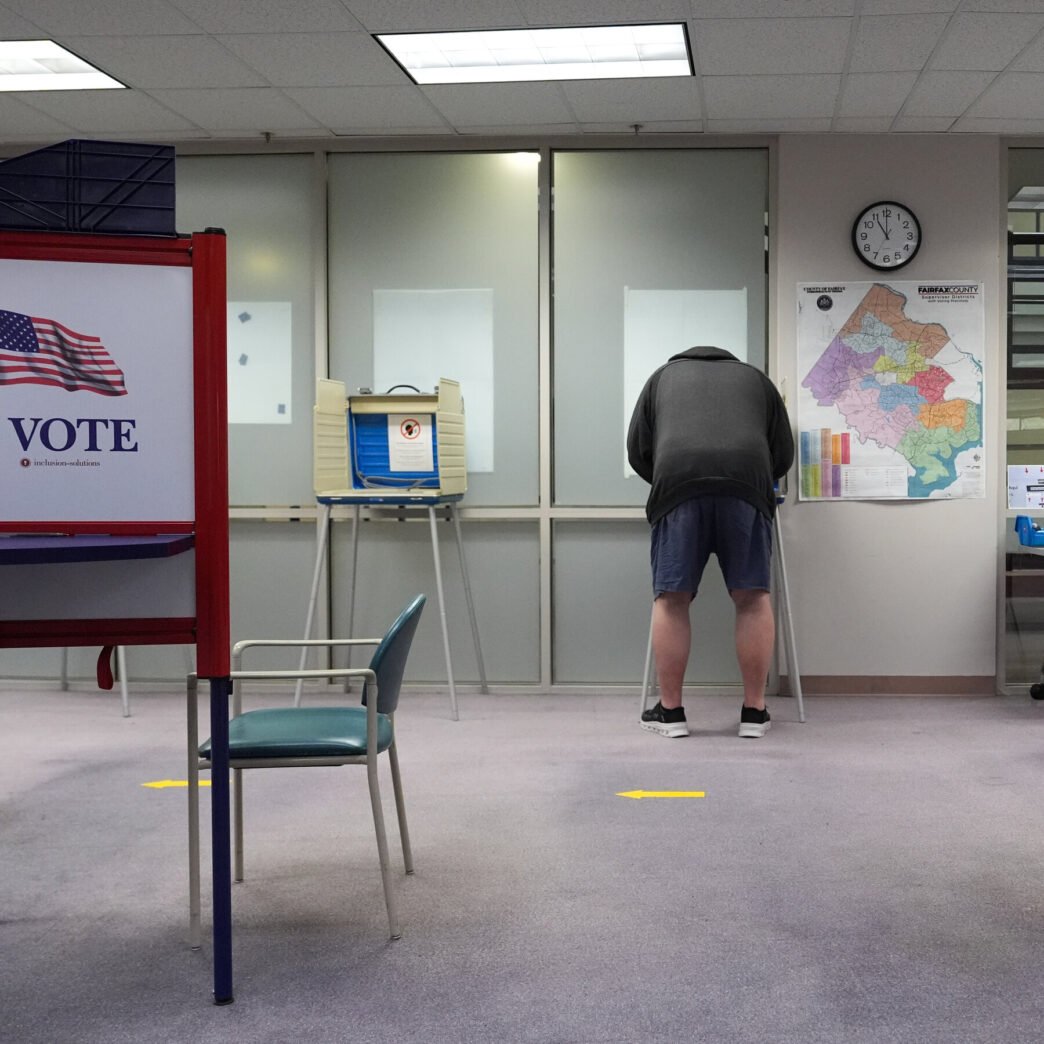
The Virginia high court is considering the legality of a congressional map approved last week, with oral arguments taking place on Monday morning. The arguments lasted about an hour, but it was not clear how the justices would rule. This case has significant implications for the state’s electoral landscape and could potentially impact the balance of power in the US Congress.
The issue of redistricting and reapportionment is a complex one, with different states having varying approaches to drawing congressional district boundaries. According to the US Census Bureau, the process of reapportionment involves redistributing seats in the House of Representatives among the states based on population changes. In Virginia, the newly approved map has been contentious, with some arguing that it unfairly favors one party over the other.
Redistricting and Reapportionment: A Complex Issue
The process of redistricting and reapportionment is governed by a combination of federal and state laws. In Virginia, the state legislature is responsible for drawing congressional district boundaries, but the courts can intervene if the map is deemed unfair or unconstitutional. The US Department of Justice also plays a role in overseeing the redistricting process to ensure compliance with federal laws.
Key Factors in the Virginia Case
Several key factors are at play in the Virginia case, including:
- The fairness of the approved map, with some arguing that it unfairly favors one party
- The role of the state legislature in drawing congressional district boundaries
- The potential impact on the balance of power in the US Congress
- The implications for future elections in Virginia
The outcome of this case will be closely watched, as it could have significant implications for the electoral landscape in Virginia and beyond. As the US continues to grapple with issues of redistricting and reapportionment, this case serves as a reminder of the complexity and importance of this issue.