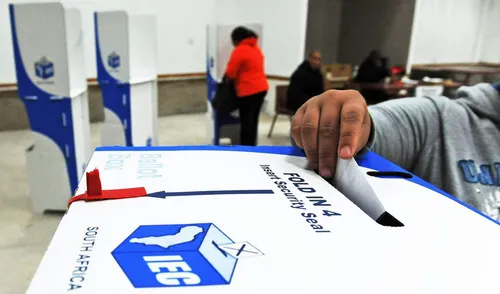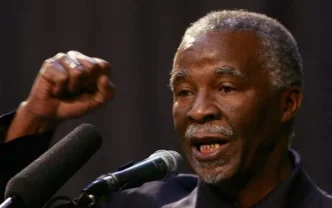
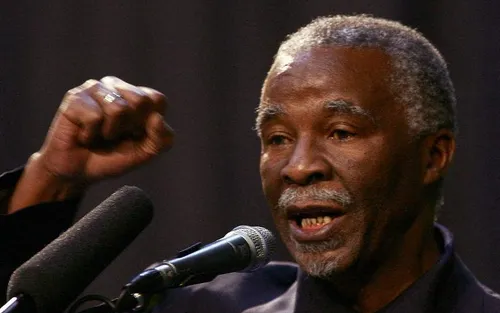
As President Cyril Ramaphosa addressed a nearly empty stadium on Freedom Day 2026, the stark image symbolised the disillusionment with his leadership and the decline of the ANC’s tripartite alliance. This watershed moment has significant implications for left-wing politics in South Africa, with many questioning the future of the alliance.
The historical context behind the current crisis is complex, with the South African Communist Party (SACP) playing a crucial role in the ANC’s electoral successes. However, the SACP’s decision to contest elections independently has marked a significant shift in the political landscape.
Impact on the ANC
The decline of the tripartite alliance has resulted in a significant decline in support for the ANC, with some estimates suggesting a 50% decline in membership over the past decade. This has major implications for the party’s ability to govern effectively and deliver on its election promises.
What’s Next for the SACP?
The SACP’s decision to contest elections independently has sparked debate about the future of left-wing politics in South Africa. Some argue that this move will lead to a more fragmented political landscape, while others see it as an opportunity for the SACP to assert its own identity and policies.
Key issues that will shape the future of the SACP include:
- Its ability to attract new members and build a strong electoral base
- Its relationship with other left-wing parties and organisations
- Its policy positions on key issues such as economic development and social justice
As the political landscape in South Africa continues to evolve, one thing is clear: the split between the ANC and the SACP marks a significant watershed moment for left-wing politics in the country.