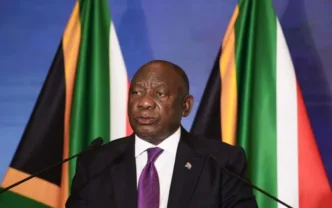
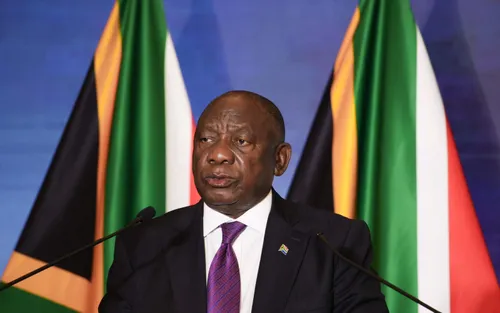
President Cyril Ramaphosa has welcomed the Constitutional Court’s judgment on the Phala Phala matter, reaffirming that no person is above the law and that allegations must be subjected to due process without fear, favour, or prejudice.
The Constitutional Court ruled that Parliament’s handling of the Phala Phala matter was unconstitutional and invalid, and ordered that the report be reconsidered, effectively reopening the possibility of an impeachment inquiry.
Phala Phala Farm Saga
The matter stems from a 2020 burglary at Ramaphosa’s Phala Phala game farm in Limpopo, where large sums of foreign currency were allegedly stolen. The Economic Freedom Fighters (EFF) and the African Transformation Movement brought the case to the Constitutional Court, arguing that Parliament failed in its oversight duties by closing the matter prematurely.
According to the South African Parliament website, the Section 89 independent panel report into allegations linked to Ramaphosa’s Phala Phala farm found that there were sufficient grounds for an impeachment inquiry.
Implications of the Ruling
The Constitutional Court’s ruling means that Parliament must now revisit the panel’s findings and determine whether to proceed with a full impeachment inquiry. This could have significant implications for Ramaphosa’s presidency and the future of South African politics.
Some of the key implications of the ruling include:
- The possibility of an impeachment inquiry into Ramaphosa’s conduct
- A reassessment of Parliament’s oversight role and its ability to hold the executive accountable
- A potential shift in the balance of power between the legislative and executive branches of government
As the Constitutional Court has made it clear, the rule of law and the Constitution are paramount, and no person is above the law.