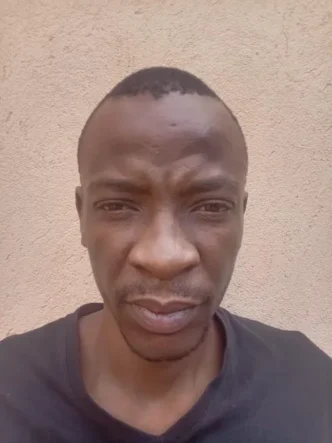
The Muslim Judicial Council (MJC) has announced that Moulana Mogamat Farouk Rylands will be released from Pollsmoor Prison after being detained for allegedly breaching a court interdict. Rylands, the former Imam of the Waterloo Road Mosque in Kenwyn, has been at the center of a long-standing governance dispute at the mosque.
According to the MJC, Rylands will be released today, following engagement with his legal representatives. The council continues to monitor the matter and appreciates the cooperation of all parties involved. The news of Rylands’ impending release has sparked significant interest and concern within the community regarding the ongoing governance issues at the mosque.
Mosque Governance Dispute
The dispute began in 2023 when the Ashrafiah Trust, which oversees the mosque, took Rylands to court after he refused to vacate his position. Despite a petition signed by the surrounding community in favor of Rylands, the Labour Court granted an interdict against him on December 5, 2023. The interdict cited Rylands’ alleged breach of court orders, including shoving and pushing one of the trustees and leading prayers at the mosque.
However, waqf, or Islamic endowment, is a key aspect of mosque governance. According to legal expert and Director of DKVG Attorneys, Igshaan Higgins, a mosque cannot be owned and is regarded as waqf, with ownership transferred to Allah. Higgins notes that the community must govern the mosque, and the current situation needs to be remedied.
Contempt of Court Order
The contempt of court order against Rylands cited his alleged actions on January 1, 2026, and February 6, 2026. However, Higgins argues that Rylands did not violate the court order, as he only recited a prayer after salaah, which is different from leading a prayer. Higgins suggests that the court should consult an Islamic scholar to review the issue.
The Kenwyn Islamic Society (KIS) has confirmed that a vote of no confidence is underway regarding the Ashrafiah Trust. A document is circulating on social media for residents to sign if they support the vote of no confidence. The situation at the Waterloo Road Mosque highlights the complexities of mosque governance and the need for community involvement.
Some key points to consider in the mosque governance dispute include:
- The role of waqf in mosque governance
- The importance of community involvement in governing the mosque
- The need for clear communication and cooperation between all parties involved
The MJC’s announcement of Rylands’ release is a significant development in the ongoing dispute. As the situation continues to unfold, it is essential to consider the complexities of mosque governance and the need for community involvement.