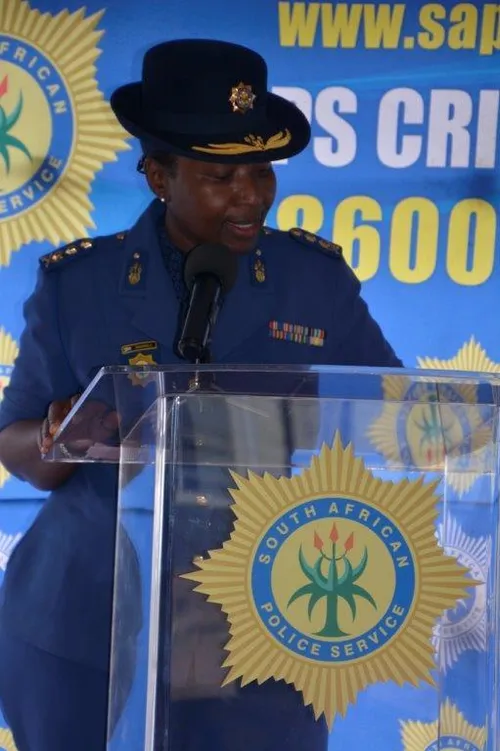
The Madlanga Commission has taken a significant step in its investigation into corruption claims within the South African Police Service (SAPS), requesting a sworn affidavit from suspended Mpumalanga police commissioner, Lieutenant General Daphney Semakaleng Manamela. This move is expected to uncover the truth behind Manamela’s explosive allegations of corruption within the SAPS.
The commission’s request for evidence is a crucial development in the case, as it will provide a detailed account of the alleged corruption and potential wrongdoing by high-ranking officials. According to the South African Police Service, the investigation is part of a broader effort to root out corruption and restore public trust in the SAPS.
SAPS Corruption Claims
Manamela’s allegations have sent shockwaves through the SAPS, with many calling for a thorough investigation into the claims. The Madlanga Commission, established to investigate corruption and misconduct within the SAPS, has been tasked with getting to the bottom of the allegations.
What’s at Stake
The investigation has significant implications for the SAPS and the country as a whole. A Wikipedia article on corruption in South Africa highlights the pervasive nature of the problem, which affects not only the SAPS but also other government institutions. The Madlanga Commission’s findings will be closely watched, as they will provide insight into the extent of corruption within the SAPS and potential solutions to address the issue.
The following are some of the key issues that the Madlanga Commission will investigate:
- Allegations of corruption and misconduct by high-ranking SAPS officials
- Potential wrongdoing and abuse of power
- Efforts to cover up corruption and protect those involved
The investigation is a critical step in restoring public trust in the SAPS and ensuring that those responsible for corruption are held accountable. As the Madlanga Commission continues its investigation, South Africans will be watching closely to see what actions are taken to address the allegations and prevent future instances of corruption.