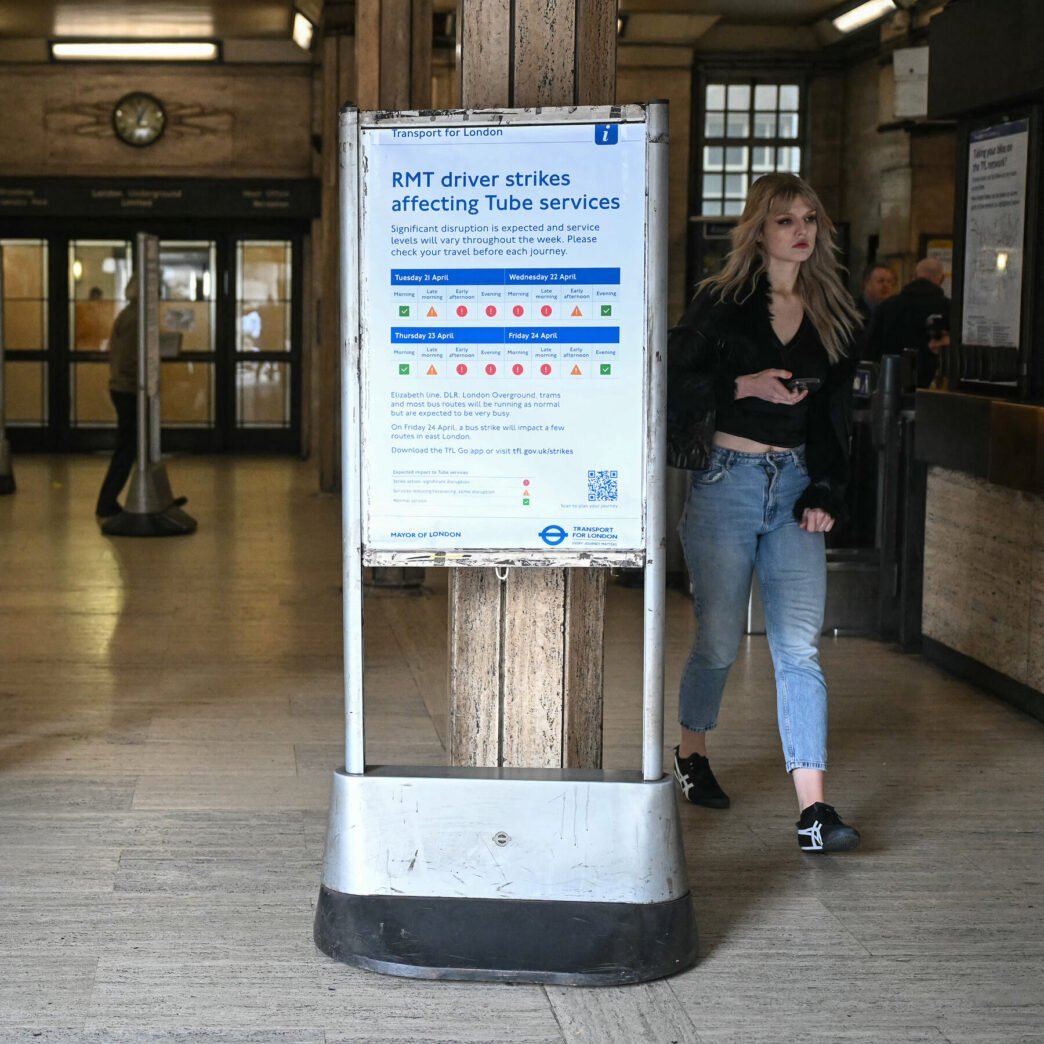
A 24-hour strike by London Tube drivers is expected to cause widespread disruption to the city’s transit system, with thousands of commuters set to be affected. The strike, which is scheduled to start at a minute past midnight, is the result of a long-running dispute over working conditions and hours. According to the Transport for London website, the strike will impact all 11 Tube lines, with some lines expected to be completely shut down.
Impact on Commuters
Commuters are being advised to plan their journeys in advance and to check the TfL website for the latest updates. The strike is expected to cause significant delays and service outages, with some commuters facing journeys that are up to three times longer than usual. A spokesperson for the National Union of Rail, Maritime and Transport Workers said that the strike was a last resort, but that drivers had been left with no choice due to the failure of TfL to address their concerns.
What’s Behind the Strike?
The strike is the result of a long-running dispute over working conditions and hours. Drivers are seeking improved pay and benefits, as well as a reduction in the number of nights they are required to work. The dispute has been ongoing for several months, with talks between the union and TfL breaking down on several occasions. Some of the key issues behind the strike include:
- Poor working conditions, including a lack of breaks and inadequate rest facilities
- Excessive hours, with some drivers working up to 12 hours a day
- Low pay and benefits, with drivers seeking a significant increase in their wages
The strike is not only affecting commuters in London, but also has implications for the wider economy. With thousands of people set to be affected, the strike is likely to have a significant impact on businesses and organizations that rely on the Tube to get their employees to work. For South Africans, the strike is a reminder of the importance of investing in efficient and reliable public transportation systems, such as the Gautrain in Johannesburg.