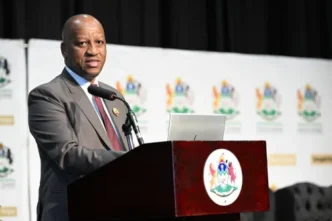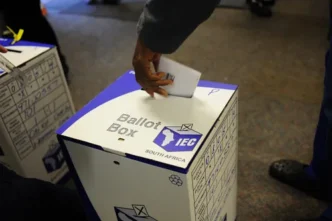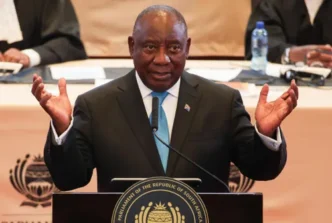
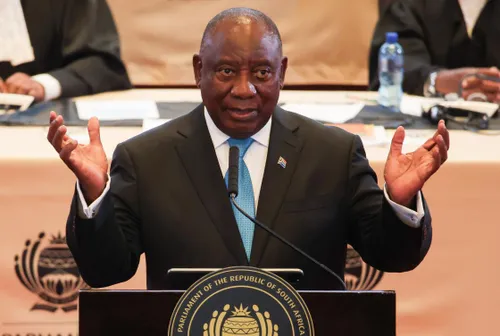
President Cyril Ramaphosa has announced that the Local Government Elections will take place on November 4, as confirmed during a press briefing session at the Extended Presidential Coordinating Council (PCC) Meeting held at Birchwood Hotel and Conference Centre in Boksburg, Gauteng.
The announcement was made in accordance with the South African government regulations, which dictate that local government elections must be held within a certain timeframe. This year’s elections are expected to be highly contested, with various political parties vying for control of municipalities across the country.
Why Local Gov Elections Matter
The Local Government Elections are crucial in determining the direction of South Africa’s municipalities, as they directly impact the lives of citizens. The elections will decide who will be responsible for providing essential services such as water, sanitation, and electricity, as well as managing public transportation and infrastructure development.
According to the Wikipedia page on local government in South Africa, the country has a complex system of local government, with 278 municipalities spread across nine provinces. The elections will be a significant test for the country’s democratic system, with many analysts predicting a shift in the balance of power.
Key Issues at Stake
Some of the key issues that will be decided during the Local Government Elections include:
- Service delivery: Who will be responsible for providing essential services such as water, sanitation, and electricity?
- Infrastructure development: How will municipalities prioritize infrastructure development, including roads, public transportation, and housing?
- Job creation: How will local governments create jobs and stimulate economic growth in their areas?
As the country gears up for the elections, citizens are urged to exercise their right to vote and have a say in the future of their municipalities.