The European Union has decided not to ban ‘conversion therapy’ targeting LGBTQ people, but will instead push member states to take action against such practices. So-called conversion ‘therapies’ involve methods that seek to change the sexual orientation, gender identity or expression of gay, lesbian, queer and trans people.
According to the United Nations, these practices are discriminatory, humiliating and a violation of bodily integrity. The EU stopped short of heeding a call by over a million people, who signed a petition last May calling on the 27-country bloc to prohibit such methods.
What are Conversion Therapies?
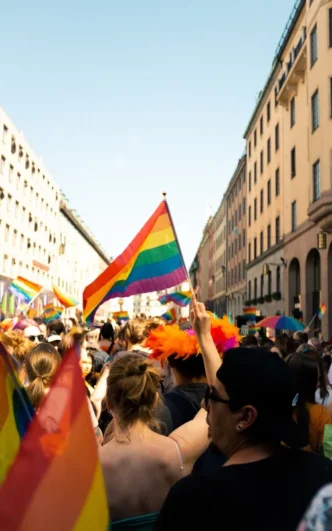
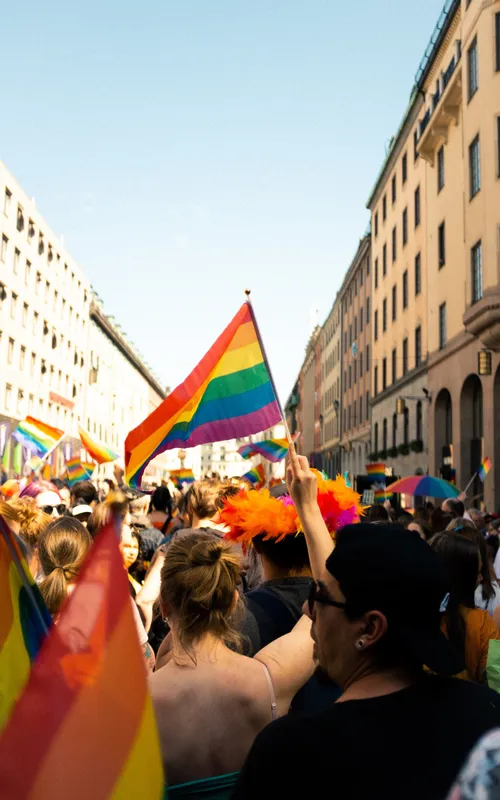
Conversion practices ‘have no place in our union,’ said Ursula von der Leyen, the president of the European Commission, which flew the LGBTQ flag outside its headquarters in Brussels Wednesday. Instead, the EU executive said it would issue a recommendation next year for member states to adopt national-level bans, but it would not be binding.
Bans already exist in eight of the EU’s 27 nations: Belgium, Cyprus, France, Germany, Greece, Malta, Portugal and Spain. EU lawmaker Melissa Camara, a lesbian member of the European Parliament group working for LGBTIQ+ rights, told AFP the commission’s response was a step in the right direction. But it was ‘far too timid’ in view of ‘the damage and trauma caused by these practices’, she added.
Impact on LGBTQ Community
But EU commissioner Hadja Lahbib, in charge of equality, defended Wednesday’s move as ‘historic’ and said the decision was taken after hearing victims’ describe being subjected to ‘forced drug treatment, verbal and physical violence, electric shocks, sexual abuse, and rape’. She added: ‘I will never forget what I heard.’
Some of the key points to consider regarding conversion therapies include:
- They involve methods that seek to change the sexual orientation, gender identity or expression of gay, lesbian, queer and trans people.
- They are discriminatory, humiliating and a violation of bodily integrity, according to the United Nations.
- Bans already exist in eight of the EU’s 27 nations.
For more information on LGBTQ rights and conversion therapies, visit the Wikipedia page on LGBTQ+ rights.