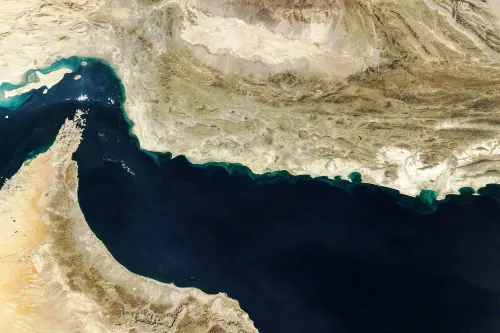
Iran has allowed a group of Chinese ships to pass through the strategic Strait of Hormuz, easing concerns over global oil supplies and prices. According to the Tasnim news agency, the passage of the ships was requested by Beijing and began on Wednesday evening after an understanding on Iranian management protocols was reached.
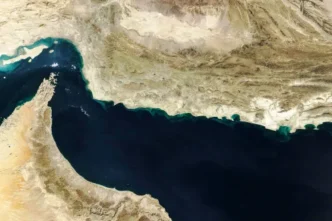
The move is significant as Iran has largely blocked shipping through the strait since the outbreak of war with the United States and Israel on February 28. The strait is a critical waterway, accounting for roughly a fifth of global oil and liquefied natural gas shipments, along with other key commodities. The US Department of State has imposed its own naval blockade on Iranian ports, despite a fragile ceasefire in place since April 8.
Iran’s Grip on the Strait
Iran’s control over the Strait of Hormuz has given Tehran significant leverage, with the country’s military spokesman, Mohammad Akraminia, saying that the oversight of the strait could generate “significant” economic revenue and strengthen the country’s international position. He added that the western part of the strait was controlled by the naval forces of the Revolutionary Guards, while the eastern section was overseen by the Iranian navy.
Impact on Oil Prices
The passage of the Chinese ships has led to a decrease in oil prices, with Brent crude trading around the $104 mark on Thursday afternoon, down from $107 earlier in the day. The easing of tensions in the region is expected to have a positive impact on global oil supplies and prices. Here are some key points to note:
- Iran has allowed 30 Chinese ships to pass through the Strait of Hormuz
- The move is expected to ease concerns over global oil supplies and prices
- The strait accounts for roughly a fifth of global oil and liquefied natural gas shipments
- Iran’s control over the strait has given Tehran significant leverage
The situation in the region remains complex, with the United States and Iran engaged in negotiations that have so far failed to produce a breakthrough. The United Nations has called for calm and restraint in the region, and for all parties to work towards a peaceful resolution.