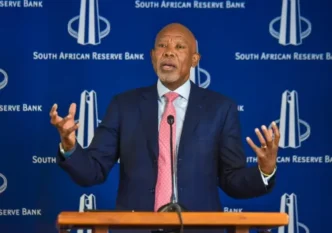
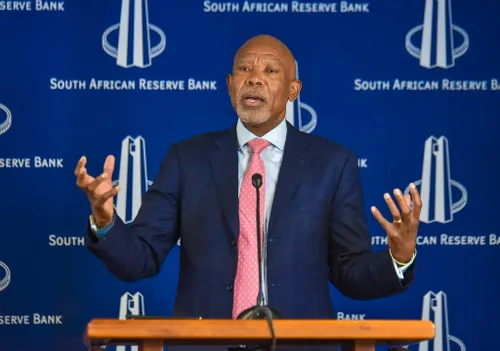
Lesetja Kganyago, Governor of the South African Reserve Bank, has signalled that potential interest rate hikes are on the horizon due to rising global inflation pressures from oil and fertiliser prices, amidst ongoing geopolitical tensions. This comes as oil prices have surged by over 10% in recent weeks, posing a significant threat to South Africa’s already fragile economy.
Impact on South African Inflation
The recent increase in oil prices has far-reaching implications for South Africa, where the cost of petrol is already a significant burden on many households. As the country’s economy continues to struggle, the possibility of interest rate hikes poses a significant risk to consumers and businesses alike. According to the South African Reserve Bank, the current inflation rate is 4.5%, which is within the target range of 3-6%. However, the rising oil prices and other external factors may push the inflation rate above the target range, necessitating an increase in interest rates.
Causes of the Oil Price Surge
The current oil price surge is attributed to a combination of factors, including geopolitical tensions, supply chain disruptions, and increased demand. The conflict in Ukraine has led to a significant reduction in oil exports from Russia, while the COVID-19 pandemic has disrupted global supply chains. Additionally, the increased demand for oil from countries such as China and India has put upward pressure on prices. Some of the key factors contributing to the oil price surge include:
- Geopolitical tensions in the Middle East and Ukraine
- Supply chain disruptions due to the COVID-19 pandemic
- Increase in demand from emerging economies such as China and India
- Reduced oil exports from Russia due to sanctions
As the situation continues to unfold, South Africans can expect to feel the pinch of higher oil prices and potentially higher interest rates. The South African National Treasury has warned that the country’s economy is vulnerable to external shocks, and the current oil price surge is a significant risk to the country’s economic stability.