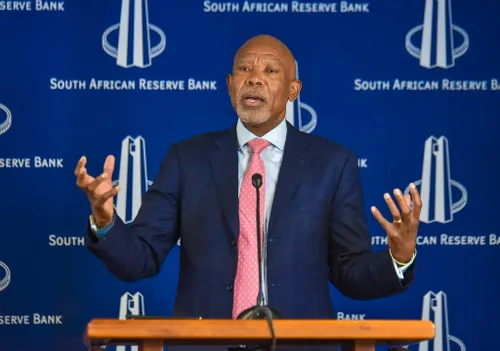
South African Reserve Bank Governor Lesetja Kganyago has reaffirmed the bank’s commitment to maintaining a 3% inflation rate, despite rising commodity prices and global shocks. Kganyago noted that the bank has learned from past experiences and is better equipped to handle future challenges. The governor’s comments come as the bank works to balance the need to control inflation with the need to support economic growth.
Inflation Target Challenges
The South African Reserve Bank has faced significant challenges in recent years, including a rise in commodity prices and a decline in economic growth. Despite these challenges, the bank has remained committed to its 3% inflation target. Kganyago stated that the bank’s monetary policy committee will continue to monitor the economy and adjust interest rates as needed to keep inflation in check. According to the South African Reserve Bank, the bank’s primary objective is to protect the value of the currency in the interests of balanced and sustainable economic growth.
Impact on the Economy
The bank’s decision to maintain its 3% inflation target is expected to have a significant impact on the economy. Higher interest rates could make borrowing more expensive, which could slow down economic growth. On the other hand, lower interest rates could lead to higher inflation, which could reduce the purchasing power of consumers. The bank must carefully balance these competing interests in order to achieve its inflation target. Some of the key factors that will influence the bank’s decision include:
- Commodity prices
- Economic growth
- Interest rates
- Inflation expectations
The bank’s commitment to its 3% inflation target is in line with the recommendations of the International Monetary Fund, which has emphasized the importance of low and stable inflation in promoting economic growth and stability.