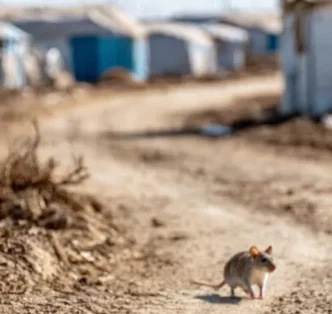
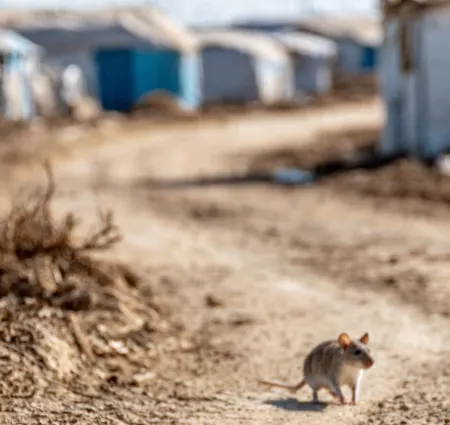
As springtime temperatures rise in Gaza, a surge in rats, fleas and other pests has compounded the misery of hundreds of thousands of displaced people still living in tents after more than two years of war. The situation is particularly dire for families with young children, who are vulnerable to diseases carried by these pests.
Gaza’s Displacement Crisis
The Gaza Strip has been plagued by conflict for years, resulting in the displacement of over 300,000 people, according to the United Nations Relief and Works Agency for Palestine Refugees in the Near East (UNRWA). Many of these individuals are still living in temporary shelters, which are often overcrowded and lack basic amenities.
As the weather warms up, the risk of disease transmission increases, posing a significant threat to the health and well-being of these displaced individuals. Rats, fleas, and other pests are attracted to the unsanitary conditions in these shelters, and their presence can lead to the spread of diseases such as typhus, leptospirosis, and rat-bite fever.
Consequences for Displaced Families
The consequences of this infestation are far-reaching, with many families struggling to access basic necessities like food, water, and healthcare. The psychological toll of living in such conditions should not be underestimated, as the constant presence of pests can exacerbate feelings of anxiety, stress, and hopelessness.
Some of the key challenges faced by displaced families in Gaza include:
- Lack of access to clean water and sanitation facilities
- Insufficient food and nutrition
- Limited access to healthcare services
- Overcrowding and poor living conditions
- Poor mental health and well-being
The international community must take immediate action to address the humanitarian crisis in Gaza, including providing adequate funding for organizations like the World Health Organization (WHO) to deliver essential healthcare services and improve living conditions for displaced families.