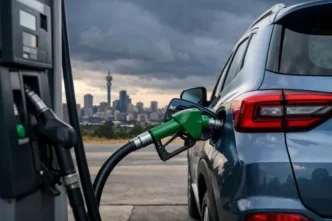
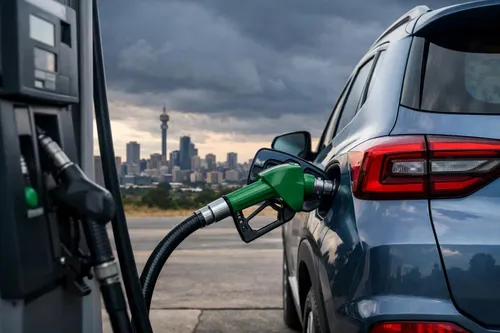
The recent miscalculations in fuel price adjustments by the Department of Mineral Resources and Energy have led to a significant 10% increase in diesel prices, adding to the uncertainty in South Africa’s already volatile fuel market. This increase is expected to have a ripple effect on the economy, particularly on the transportation and logistics sectors.
Fuel Price Adjustments
The Department of Mineral Resources and Energy has attributed the error to a glitch in their pricing model, which has resulted in an overestimation of the fuel price. As a result, diesel prices have increased by 10%, while petrol prices have remained relatively stable. According to the Department of Mineral Resources and Energy, the fuel price adjustments are made on a monthly basis, taking into account various factors such as international oil prices and the rand-dollar exchange rate.
The impact of the fuel price hike on the South African economy is expected to be significant. The increase in diesel prices will likely lead to higher transportation costs, which will be passed on to consumers. This could result in higher food prices, as well as increased costs for other essential goods.
Impact on the Economy
The fuel price hike is also expected to have a negative impact on the economy, particularly on small businesses and low-income households. The increased transportation costs will make it more difficult for small businesses to operate, while low-income households will struggle to afford basic necessities. Some of the key areas affected by the fuel price hike include:
- Transportation and logistics
- Agriculture and food production
- Manufacturing and industry
- Small businesses and entrepreneurship
According to the Statistics South Africa, the fuel price hike is expected to contribute to higher inflation rates, which could have a negative impact on the overall economy. As such, it is essential for the government to implement measures to mitigate the effects of the fuel price hike and ensure that the economy remains stable.