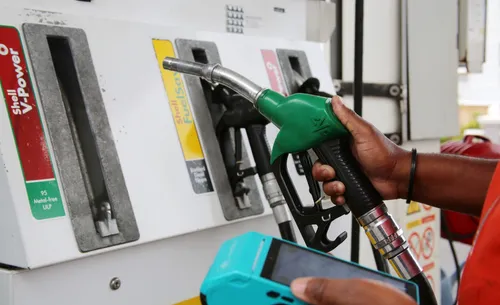
South Africans rushed to petrol pumps over the weekend in response to a viral WhatsApp message alleging fuel shortages. However, the Department of Mineral and Petroleum Resources has reassured the public that there is currently no immediate risk of fuel shortages in South Africa.
It’s a famous aphorism: ‘A lie can travel halfway around the world while the truth is putting on its shoes.’ Attributed to 18th-century Irish poet Jonathan Swift, it is even more relevant almost three centuries later in the era of social media. One ‘official-looking’ WhatsApp, quoting impeccable academic sources, swept around the country, causing panic buying at petrol stations from Durban to Kuruman, from Cape Town to Musina.
Fuel Price Hikes and Their Impact on South Africans
The message claimed that South Africa was running low on petrol and diesel, and that rationing would start next week, encouraging people to fill up their cars urgently. However, this information has been debunked, and the professor whose name was used in the message was rightly angry, as he had said no such thing. According to the Department of Mineral Resources and Energy, the country’s fuel supply is stable.
While the government was asking South Africans to only rely on official information, that presupposes that such information is accurate, timely, and useful. And is delivered in a way to reach citizens across all walks of life. The track record here has not always been encouraging. We’re all too used to shaking our heads, or writing off official communications as at best rose-tinted so the government looks good, at worst are lies or propaganda.
Expert Advice and Potential Solutions
We also know the needless war in the Middle East is going to drive up fuel prices in the same month that electricity prices and the fuel levy both rise, ticking up inflation that will filter through to everything we buy, including food. This will put more pressure on already impoverished homes. The South African Domestic Service and Allied Workers Union has expressed its concerns, saying the cost hikes will be devastating. But, the expert advice is to encourage people not to panic and rush to the pumps.
As financial planner Bertie Nel points out, emotional, often hasty or uninformed decisions by consumers can make things worse. Others have urged parliament to shield citizens from this increased burden, suggesting the scrapping of the fuel levy. As Bosa leader Dr Mmusi Maimane points out: ‘We have a moral duty to protect South Africans from unjust burdens, and we must exercise that duty.’
Some potential solutions to mitigate the impact of fuel price hikes include:
- Improving public transportation to reduce reliance on personal vehicles
- Increasing fuel efficiency in vehicles
- Exploring alternative energy sources
Ultimately, we all need to be cautious before we hit send via WhatsApp or any other social media platform, and verify information through reputable sources, such as the official government website.