In the face of the devastating foot-and-mouth disease, communal farmers across South Africa stand united in their struggle to stay afloat. Recognising the urgency of their condition, vaccination initiatives have become a lifeline for these persistently underrepresented communities. The disease, which affects cloven-hoofed animals such as cattle, pigs, and sheep, has severe consequences for the livelihoods of rural farmers, with some estimates suggesting that up to 80% of farmers in South Africa are at risk.
Impact of Foot-and-Mouth Disease on Rural Farmers
The impact of foot-and-mouth disease on rural farmers cannot be overstated. Not only does it affect the health and well-being of their livestock, but it also has significant economic implications. According to the National Department of Agriculture, the disease can result in significant losses for farmers, with some estimates suggesting that the economic impact can be as high as R10 billion per year.
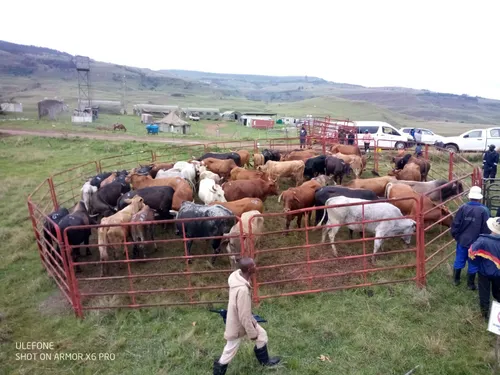
To mitigate the effects of the disease, mobile markets have been established to provide farmers with access to vaccination services and other essential resources. These markets, which are often run in conjunction with local government initiatives, have proven to be highly effective in reaching remote communities and providing them with the support they need.
Vaccination Initiatives: A Lifeline for Rural Farmers
Vaccination initiatives have been instrumental in helping to control the spread of foot-and-mouth disease in South Africa. By providing farmers with access to affordable and effective vaccines, these initiatives have helped to reduce the incidence of the disease and minimize its impact on rural communities. Some of the key benefits of vaccination initiatives include:
- Reduced risk of disease transmission
- Improved livestock health and productivity
- Increased access to markets and economic opportunities
As the South African government continues to grapple with the challenges posed by foot-and-mouth disease, it is clear that vaccination initiatives and mobile markets will play a critical role in supporting rural farmers. By working together to provide these communities with the resources they need, we can help to ensure that they are able to thrive and contribute to the country’s economic growth and development.