As researchers delve deeper into the properties of Lessertia frutescens, a plant used in traditional South African medicine, they are discovering its potential in combating drug-resistant cancers, which could lead to more effective and accessible cancer treatments for South Africans and people worldwide.
The Lessertia frutescens plant, also known as the cancer bush, has been used for centuries in traditional medicine to treat various ailments, including cancer. According to the National Center for Biotechnology Information, studies have shown that the plant’s extracts have anti-cancer properties, making it a promising candidate for the development of new cancer treatments.
What is Lessertia Frutescens?
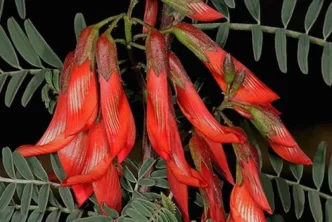
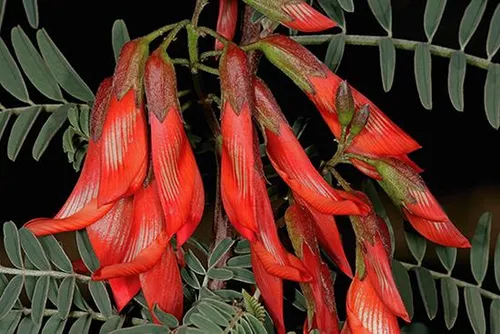
Lessertia frutescens is a flowering plant that is native to South Africa. It has been used in traditional medicine for centuries to treat a range of ailments, including fever, rheumatism, and cancer. The plant’s leaves, stems, and roots are used to make a tea that is said to have anti-inflammatory and anti-cancer properties.
How Does it Fight Cancer?
Researchers believe that the plant’s anti-cancer properties are due to its ability to inhibit the growth of cancer cells and induce apoptosis, or cell death. The plant’s extracts have been shown to be effective against a range of cancer cell lines, including breast, lung, and colon cancer. A study published on Wikipedia lists some of the key compounds found in Lessertia frutescens, which are responsible for its anti-cancer properties.
Some of the key benefits of using Lessertia frutescens to fight cancer include:
- Increased effectiveness: The plant’s extracts have been shown to be effective against drug-resistant cancer cells, making it a promising candidate for the development of new cancer treatments.
- Improved accessibility: Lessertia frutescens is a natural plant that is widely available in South Africa, making it a more accessible option for cancer treatment than traditional chemotherapy.
- Holistic approach: The plant’s anti-inflammatory and anti-cancer properties make it a promising candidate for the development of holistic cancer treatments that target the root causes of the disease.
While more research is needed to fully understand the potential of Lessertia frutescens in fighting cancer, the current findings are promising and could lead to the development of more effective and accessible cancer treatments for South Africans and people worldwide.