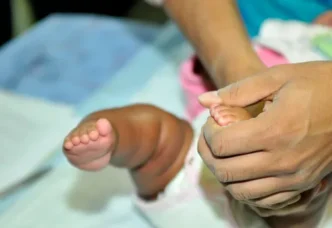
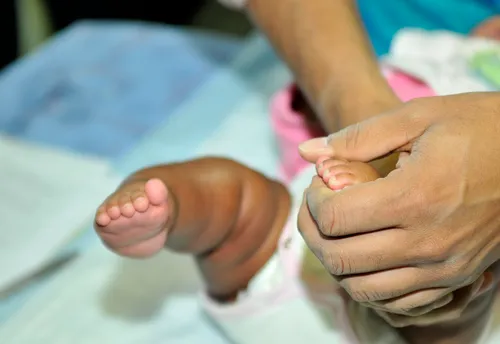
On World Clubfoot Day, South Africa’s Karen Moss will spotlight the urgent need for equitable clubfoot treatment at the IV International Clubfoot Symposium, addressing the stark reality that geography still determines access to care for thousands of children. According to the World Health Organisation, clubfoot affects approximately 1 in every 1,000 births worldwide, with around 70% of cases occurring in low- and middle-income countries like South Africa.
What is Clubfoot?
Clubfoot, also known as talipes, is a congenital deformity that affects the foot and lower leg. If left untreated, it can lead to serious mobility issues and disability. However, with proper treatment, which typically involves a series of manipulations, plaster casts, and bracing, the condition can be fully corrected.
Challenges in South Africa
Despite the availability of effective treatment, many children in South Africa do not have access to the care they need. This is often due to a lack of trained healthcare professionals, limited resources, and long distances to treatment centers. As a result, thousands of children are forced to live with the condition, which can have a significant impact on their quality of life and future prospects.
To address this issue, the South African government has implemented various initiatives, including the National Health Insurance scheme, which aims to provide universal access to healthcare for all citizens. However, more needs to be done to ensure that children with clubfoot receive the treatment they need.
Some of the key challenges in addressing clubfoot in South Africa include:
- Lack of awareness and understanding of the condition among parents and healthcare professionals
- Insufficient training and resources for healthcare professionals
- Long distances to treatment centers, particularly in rural areas
- High costs associated with treatment, which can be a barrier for many families
Addressing these challenges will require a multi-faceted approach that involves government, healthcare professionals, and community organizations. By working together, it is possible to ensure that all children with clubfoot have access to the treatment they need to live healthy and fulfilling lives.