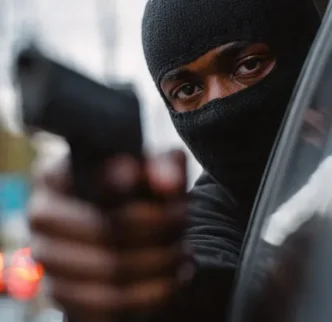
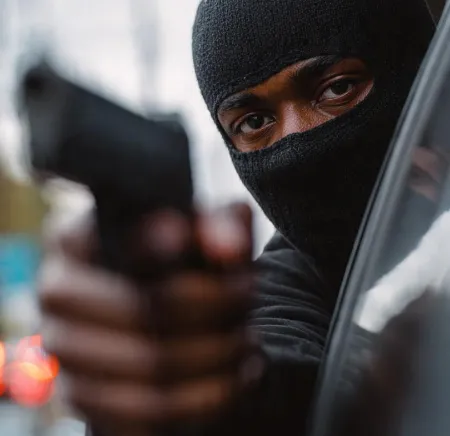
South Africa is facing a harsh reality: drive-by shootings are no longer shocking interruptions to daily life, but a disturbingly familiar phenomenon. The frequency and nature of these attacks are a cause for concern, with crime statistics showing a rise in such incidents. At the heart of this crisis is not just the frequency of drive-by shootings, but their deliberate, calculated, and chillingly efficient nature.
As analysts have argued, these attacks resemble a form of terrorism more than conventional crime. The perpetrators often remain anonymous, their faces hidden, vehicles untraceable, and identities swallowed by the confusion of the crime scene. This anonymity is not incidental; it is strategic, allowing attackers to strike without consequence and disappear into the urban landscape before law enforcement can react.
Understanding the Nature of Drive-By Shootings
Equally troubling is how easy it is to exit the crime scene. A vehicle pulls up, shots are fired in seconds, and it’s gone, leaving behind chaos and carnage. There are no prolonged confrontations or opportunities for intervention. This makes these attacks incredibly difficult to prevent and even harder to solve. By the time law enforcement arrives, the perpetrators are often long gone, blending back into the city as if nothing happened.
Key Characteristics of Drive-By Shootings
Some key characteristics of drive-by shootings include:
- Anonymity: perpetrators often remain unknown
- Mobility: attackers can strike and escape quickly
- Precision: drive-by shootings rarely miss their targets
- Planning: these attacks suggest a level of organisation and coordination
These factors make drive-by shootings a significant concern for law enforcement and the public. To address this issue, it is essential to examine the conditions that allow such violence to thrive. South Africa’s history of inequality, marginalisation, and prolonged violence has created fertile ground for such tactics, as noted by the South African Government.