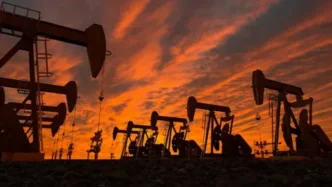

The ongoing standoff between the US, Israel, and Iran has led to a significant surge in oil prices, with the cost of a barrel reaching a wartime high of over $120. This has raised concerns about the potential impact on the global economy, particularly in terms of inflation and economic growth.
According to the International Energy Agency, the longer the disruption to Middle East fuel supplies lasts, the higher the risk of increased energy costs feeding into broader inflation. This could have a detrimental effect on economic growth, as consumers and businesses alike are forced to contend with rising costs.
Impact on South Africa
For South Africans, the rise in oil prices is likely to have a significant impact on the cost of petrol. With the country already struggling with high levels of unemployment and poverty, the increased cost of fuel is likely to further exacerbate these issues. The South African Reserve Bank has warned that the rising cost of fuel could lead to higher inflation, which would negatively impact the country’s economic growth.
What It Means for South Africans
So, what does this mean for the average South African? In practical terms, it is likely to result in higher fuel costs, increased food prices, and a potential rise in the cost of other essential goods and services. Here are some key points to consider:
- Petrol prices are likely to increase, making it more expensive to travel and transport goods
- Food prices may rise, as the cost of transporting and producing food increases
- The cost of other essential goods and services, such as healthcare and education, may also increase
As the situation continues to unfold, it is essential for South Africans to be aware of the potential impact on their daily lives and to plan accordingly. By understanding the potential effects of the rising oil prices, individuals and businesses can take steps to mitigate the impact and ensure that they are prepared for any eventuality.