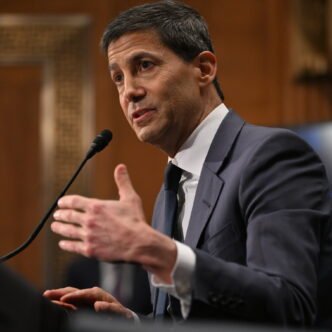
The United States House of Representatives has voted to extend the expiring FISA surveillance law for 10 days, with the Senate now needing to approve the stopgap measure. This decision comes after libertarian-leaning House Republicans had expressed concerns over a long-term extension, citing potential infringements on citizens’ privacy rights.
The issue of government surveillance has been a contentious one, with many arguing that it is essential for national security, while others claim that it poses a significant threat to individual freedoms. In South Africa, similar concerns have been raised regarding the country’s own surveillance laws, with many calling for greater transparency and oversight.
FISA Surveillance Law Explained
The FISA surveillance law, which stands for Foreign Intelligence Surveillance Act, is a United States law that allows for the surveillance of foreign nationals and individuals suspected of being involved in terrorist activities. The law has been the subject of much debate, with many arguing that it gives the government too much power to spy on citizens without adequate oversight.
Impact on South Africans
While the FISA surveillance law is a United States law, its impact can still be felt in South Africa. Many South Africans use online services and platforms that are based in the United States, which means that their data may be subject to surveillance under the FISA law. According to the Privacy International organisation, this can have significant implications for individuals’ right to privacy.
Some of the key concerns surrounding the FISA surveillance law include:
- Lack of transparency and oversight
- Potential for abuse of power
- Impact on freedom of speech and association
As the Senate considers the 10-day extension of the FISA surveillance law, many will be watching with interest to see how this issue unfolds. For more information on surveillance laws and individual privacy rights, visit the Wikipedia page on the Foreign Intelligence Surveillance Act.