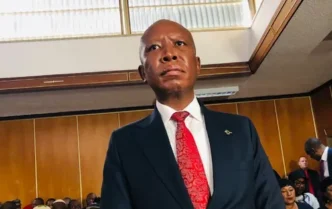
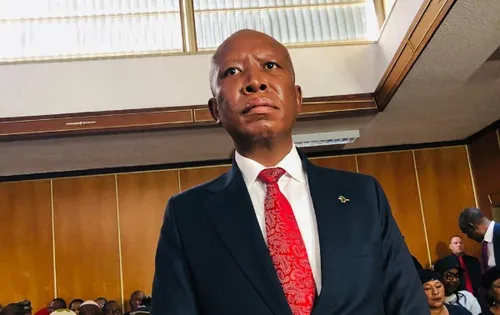
Julius Malema, the leader of the Economic Freedom Fighters (EFF), has been sentenced to five years in prison for the unlawful discharge of a firearm. Malema claims that the sentencing is politically motivated, alleging external influences on the judiciary as he prepares to appeal the verdict.
Firearm Sentencing and Political Bias
Malema’s sentencing has sparked debate about the independence of the judiciary in South Africa. According to the Department of Justice and Constitutional Development, the judiciary is expected to remain impartial and independent. However, Malema’s allegations of political bias have raised concerns about the potential for external influences to impact judicial decisions.
The EFF leader’s sentencing is not the first time that allegations of political bias have been raised in South Africa. In recent years, there have been several high-profile cases where politicians and activists have accused the judiciary of being influenced by external factors. This has led to calls for greater transparency and accountability within the judiciary.
Possible Grounds for Appeal
Malema’s legal team has indicated that they will appeal the sentence, citing several grounds for appeal. These include:
- Allegations of political bias and external influences on the judiciary
- Questions about the fairness and impartiality of the trial
- Concerns about the consistency of the sentencing with similar cases
As the appeal process begins, many will be watching to see how the judiciary responds to Malema’s allegations and whether the sentence will be upheld or overturned. The case has significant implications for the rule of law and the independence of the judiciary in South Africa.
The South African Constitution enshrines the principle of an independent judiciary, and it is up to the courts to ensure that this principle is upheld. As the case continues to unfold, it will be important to monitor the developments and assess the potential impact on the broader political landscape in South Africa.