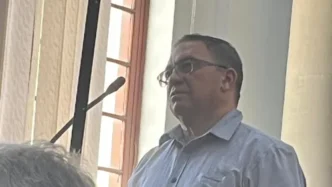
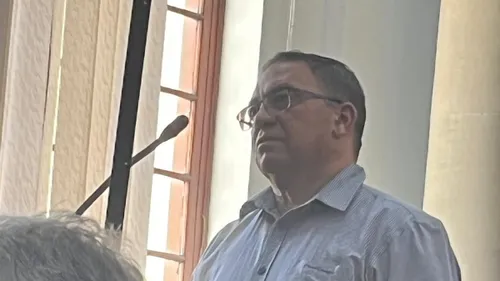
Two students, Lwazi van Staden and Mveliso Kraai, have successfully fought against eviction from a parking lot on the University of Cape Town (UCT) campus. The students, who have been living out of a car and a tent in the parking lot adjacent to the university’s hockey fields, argued that they have no home to return to as both their parents have passed away.
The Western Cape High Court recently ruled in favor of the students, ordering that the university would need to seek eviction in fresh proceedings brought in terms of the Prevention of Illegal Eviction (PIE) and Unlawful Occupation of Land Act 19 of 1998. This comes after the university had made offers to the students for placement at the student accommodation in Mowbray for the 2024 academic year, subject to the proviso that the Philip Kgosana Residence (PK residence) would be decommissioned to address maintenance issues.
Background to the Eviction Action
The eviction action traces back to the university having granted eviction orders on June 13, 2025, against five students who resided at the PK residence. The court directed the respondents to vacate the PK residence by August 31, 2025, and if they failed to do so, the Sheriff of the court was authorised to evict the respondents from the PK residence. However, this was subsequently extended to December 20, 2025.
The students failed to vacate by that date and the Sheriff of the court then executed the eviction order. The Sheriff placed the belongings of the students in a parking lot owned by UCT, which is where Van Staden and Kraai continue living, some distance away from the PK residence, after three others from the initial court litigation have since found alternative accommodation.
Next Steps for UCT
UCT spokesperson Elijah Moholola said: “The University of Cape Town notes the judgment handed down by the Western Cape High Court. The university will consider the ruling and then determine its next steps in light of the court’s findings.” The university has not yet determined its way forward, but it is likely that they will need to reassess their approach to student accommodation and the treatment of students who are struggling to find alternative housing.
According to the Department of Justice and Constitutional Development, the Prevention of Illegal Eviction Act is in place to protect both landowners and occupants from unfair eviction practices. The Act requires that all evictions be carried out in a fair and lawful manner, with due consideration given to the rights of all parties involved.
- The university has a responsibility to provide adequate accommodation for its students
- The students have a right to fair treatment and protection from unfair eviction practices
- The Prevention of Illegal Eviction Act is in place to protect both landowners and occupants from unfair eviction practices
The case highlights the need for universities to consider the welfare of their students and to provide adequate support and accommodation for those who are struggling. It also underscores the importance of fair and lawful eviction practices, and the need for universities to work with students to find solutions that are in the best interests of all parties involved.