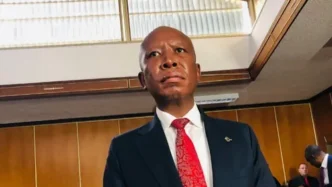
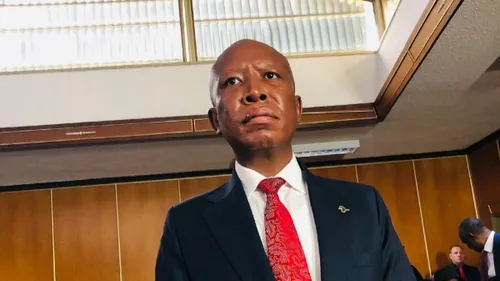
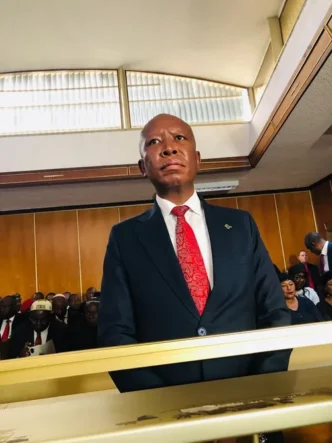
Julius Malema, the leader of the Economic Freedom Fighters (EFF), has been convicted of firearm charges, sparking a heated debate about the potential sentence he may face. A 15-year sentence has been suggested, which could have far-reaching implications for the South African justice system. As the country grapples with issues of inequality, poverty, and corruption, the prosecution of Malema has brought to the fore questions about the fairness and impartiality of the law.
Justice and Politics
The case against Malema has been widely seen as a test of the South African justice system’s ability to hold those in power accountable. However, the prosecution has also been criticized for being politically motivated, with some arguing that it is an attempt to silence a vocal critic of the government. According to the South African Government website, the country’s constitution enshrines the principle of equality before the law, which means that all individuals, regardless of their political affiliations or social status, should be treated equally by the justice system.
As the case against Malema continues to unfold, it is essential to consider the potential consequences of a harsh sentence. A 15-year sentence would not only be seen as disproportionate to the crime but also undermine the principles of justice and fairness that underpin the South African constitution. The South African Constitution is clear on the importance of upholding the rule of law and ensuring that all individuals are treated with dignity and respect.
Potential Consequences
A harsh sentence for Malema could have significant implications for the country’s political landscape. It could lead to widespread protests and unrest, as well as further entrench the perception that the justice system is biased against certain individuals or groups. Some of the potential consequences of a harsh sentence include:
- Increased tensions between the government and opposition parties
- Widespread protests and unrest
- Further erosion of trust in the justice system
- Potential destabilization of the country’s political landscape
As the country navigates this complex and sensitive issue, it is crucial to prioritize fairness, justice, and the rule of law. A measured response that takes into account the complexities of the case and the potential consequences of a harsh sentence is essential to upholding the principles of justice and ensuring that all individuals are treated equally before the law.