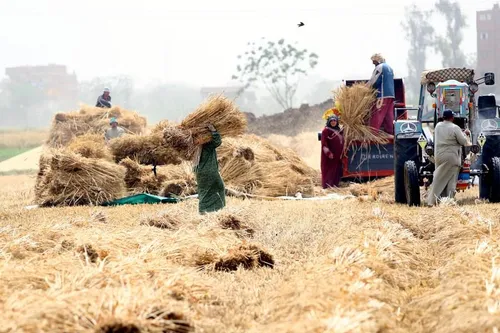
Egypt, a nation of 112 million people, is heavily reliant on imported grain to feed its population. The country’s agricultural trade with Russia has grown by more than 15% in the first four months of 2026, as announced on the sidelines of a grain industry forum last week. The two countries’ agriculture ministers met to discuss fertilisers and irrigation technology, as well as student exchange programmes for agricultural specialists.
This significant increase in trade is not just about food security, but also has implications for the global economy. The World Trade Organization has been monitoring the situation closely, as it may impact the global grain market. Egypt’s reliance on imported grain makes it vulnerable to fluctuations in the global market, and the country is seeking to diversify its sources.
Why the Russia-Egypt Grain Deal Matters
The deal is not just about Egypt’s food security, but also about the country’s economic stability. With a growing population and limited arable land, Egypt needs to ensure a stable supply of grain to feed its people. The Russia-Egypt grain deal is a significant step in this direction, and it may have far-reaching implications for the global grain market.
Key Facts About the Deal
Some key facts about the deal include:
- Agricultural trade between Russia and Egypt grew by more than 15% in the first four months of 2026
- Egypt imports over 50% of its grain from Russia
- The deal includes discussions on fertilisers and irrigation technology, as well as student exchange programmes for agricultural specialists
The deal may also have implications for South Africa, which is a significant player in the global grain market. As the South African Grain Information Service notes, the country’s grain exports may be impacted by the Russia-Egypt deal.