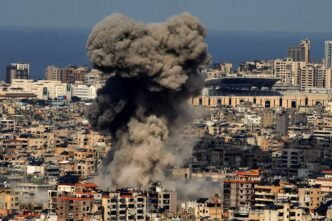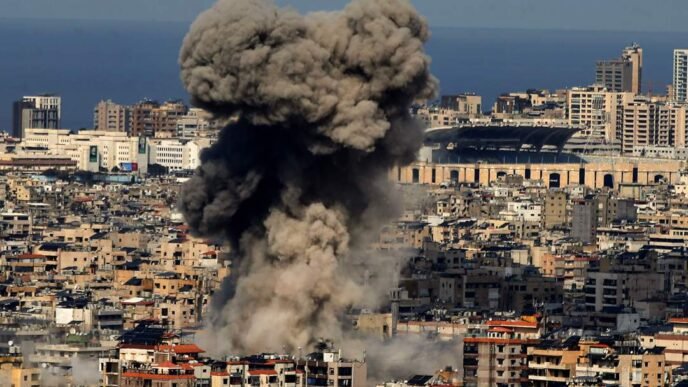
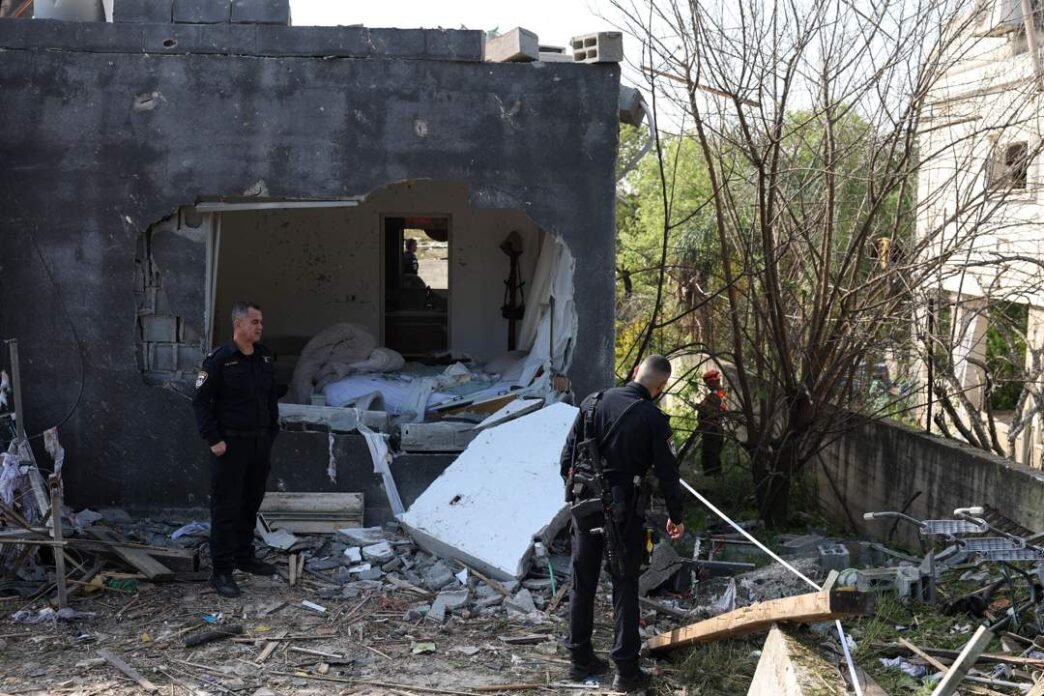
A new wave of attacks has rocked the Middle East, with Israel and Iran exchanging fire in a conflict that has already displaced up to 3.2 million people. The escalation has sparked fears of a global economic downturn, with International Monetary Fund officials warning of a potential crisis. The conflict has also raised concerns about the impact on global oil prices, with some analysts predicting a significant increase in the coming weeks.
Impact on Global Economy
The Middle East conflict has already had a significant impact on the global economy, with trade and investment in the region grinding to a halt. The World Bank has warned of a potential recession in the region, with far-reaching consequences for the global economy. The conflict has also raised concerns about the impact on South Africa, with some analysts predicting a significant increase in petrol prices.
Humanitarian Crisis
The conflict has also sparked a humanitarian crisis, with up to 3.2 million people displaced and in need of aid. The United Nations has launched an appeal for emergency funding to support those affected by the conflict. The situation on the ground is dire, with many people in need of food, shelter, and medical care.
Some of the key concerns about the conflict include:
- The potential for further escalation and the impact on the global economy
- The humanitarian crisis and the need for emergency funding to support those affected
- The potential for the conflict to spread to other parts of the region
The international community is calling for calm and restraint, with many leaders urging a peaceful resolution to the conflict. However, with the situation on the ground remaining volatile, it remains to be seen whether a peaceful resolution can be achieved.