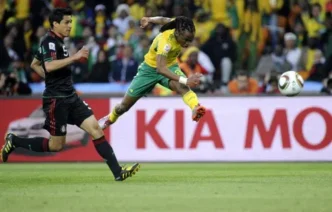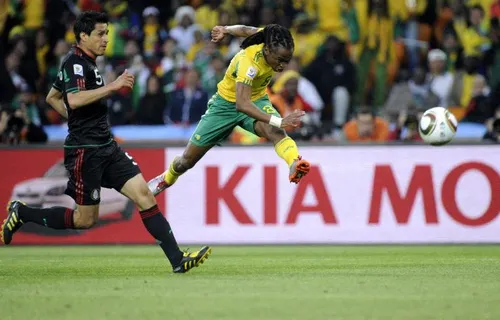
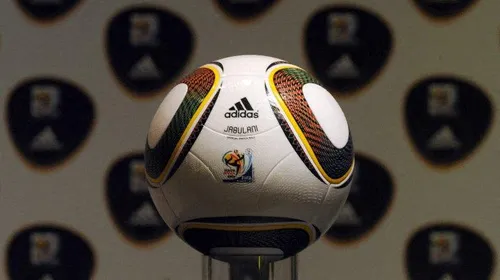
The 2010 FIFA World Cup in South Africa was a tournament that will be remembered for years to come, and one of the main reasons for that is the infamous Adidas Jabulani ball. The ball, which was designed to be a celebration of South African culture, ended up being one of the most controversial and iconic balls in World Cup history.
The Design and Technology Behind the Jabulani Ball
The Jabulani ball was designed with eight thermally bonded panels and a near-perfect spherical shape, which was intended to make it fly faster, straighter, and more accurately than previous footballs. However, players soon discovered that the ball had a mind of its own, dipping, swerving, and floating through the air in unpredictable ways.
According to the Wikipedia page on the Adidas Jabulani, the ball’s unique design and technology were intended to make it more responsive to player input. However, the reality was that the ball was often unpredictable and difficult to control, leading to frustration among goalkeepers and defenders.
Reactions from Players and Coaches
Many players and coaches had strong opinions about the Jabulani ball, with some loving it and others hating it. Uruguay’s Diego Forlán, who won the Golden Ball as the tournament’s best player, reportedly spent hours perfecting his technique with the ball and ended up scoring five goals in the tournament. On the other hand, goalkeepers like Italy’s Gianluigi Buffon and England’s David James were highly critical of the ball, with Buffon calling it “absolutely inadequate” and James describing it as “horrible”.
Some of the key issues with the Jabulani ball included:
- Unpredictable movement: The ball’s tendency to dip, swerve, and float through the air made it difficult for goalkeepers to judge its flight.
- Lack of control: The ball’s unique design and technology made it difficult for players to control, leading to frustration and mistakes on the field.
- Imbalance: The ball’s weight and balance were also criticized, with some players feeling that it was too light or too heavy.
Despite the controversy surrounding the Jabulani ball, it has become an iconic symbol of the 2010 World Cup and a reminder of the tournament’s unpredictability and excitement.</p)