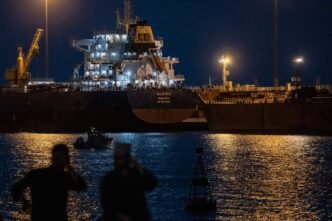

A fragile ceasefire between Iran and the US is on the verge of collapse, with the two nations engaging in a war of words and actions over the strategic Strait of Hormuz. The United Arab Emirates has reported attacks for the first time since the truce was declared nearly a month ago, sparking fears of an all-out conflict.
As the situation escalates, global oil prices have jumped 5%, with a potential 30% hike looming for South Africa. The country’s petrol prices, which are already under pressure, could increase significantly if the conflict intensifies. According to the Department of Mineral Resources and Energy, South Africa relies heavily on imported oil, making it vulnerable to price fluctuations.
Impact on SA Economy
The potential oil price hike could have far-reaching consequences for the South African economy. Inflation could rise, affecting the cost of living for millions of citizens. The South African Reserve Bank may be forced to increase interest rates to combat inflation, making borrowing more expensive for consumers and businesses.
What’s Behind the Conflict?
The US and Iran have been at odds for decades, with tensions escalating in recent years. The US withdrawal from the Joint Comprehensive Plan of Action (JCPOA) in 2018 marked a significant turning point in the conflict. Since then, the US has imposed strict sanctions on Iran, crippling its economy.
Some of the key issues driving the conflict include:
- Disagreements over Iran’s nuclear program
- US sanctions and their impact on the Iranian economy
- Regional influence and proxy wars
- Access to the Strait of Hormuz and its significance for global oil trade
As the situation continues to unfold, South Africans can expect significant implications for the economy, trade, and their daily lives.