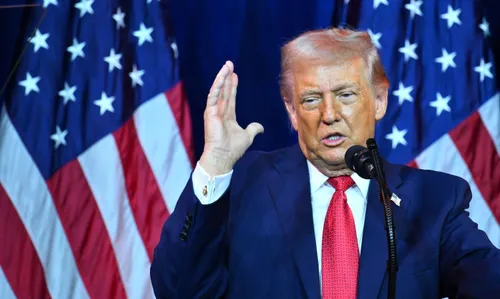
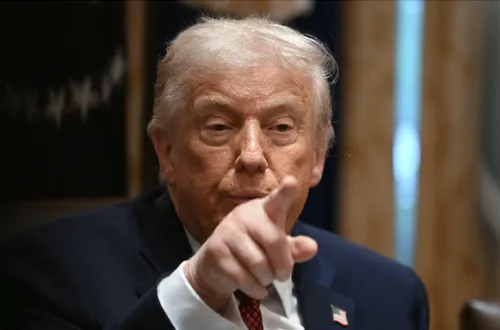
As the clock ticks down to the midnight GMT deadline set by US President Donald Trump, Iran’s ambassador to Kuwait has urged Gulf countries to work together to avert a potential tragedy. Trump has warned that unless Tehran allows free passage through the strategic oil chokepoint the Strait of Hormuz, the United States will unleash what he called the “complete demolition” of Iran’s critical infrastructure.
The Strait of Hormuz is a vital waterway through which a significant portion of the world’s oil passes, and any disruption to traffic could have far-reaching consequences for the global economy. According to the US Energy Information Administration, approximately 20% of the world’s oil passes through the Strait of Hormuz.
Strait of Hormuz: A Critical Oil Chokepoint
The Strait of Hormuz is a narrow waterway that connects the Persian Gulf to the Gulf of Oman, and it is the only route by which oil from the Persian Gulf can reach the open ocean. The strait is approximately 90 nautical miles long and 21-25 miles wide, making it a critical chokepoint for the global oil trade.
Potential Consequences of a Disruption
A disruption to traffic through the Strait of Hormuz could have significant consequences for the global economy. Some potential consequences include:
- A sharp increase in global oil prices, which could lead to higher fuel prices and increased costs for consumers and businesses.
- A decrease in global economic growth, as higher oil prices could lead to reduced consumer spending and investment.
- An increase in tensions between the US and Iran, which could lead to further conflict and instability in the region.
As the deadline set by Trump approaches, the international community is watching with bated breath to see how the situation will unfold. The United Nations has urged all parties to exercise restraint and to work towards a peaceful resolution to the crisis.