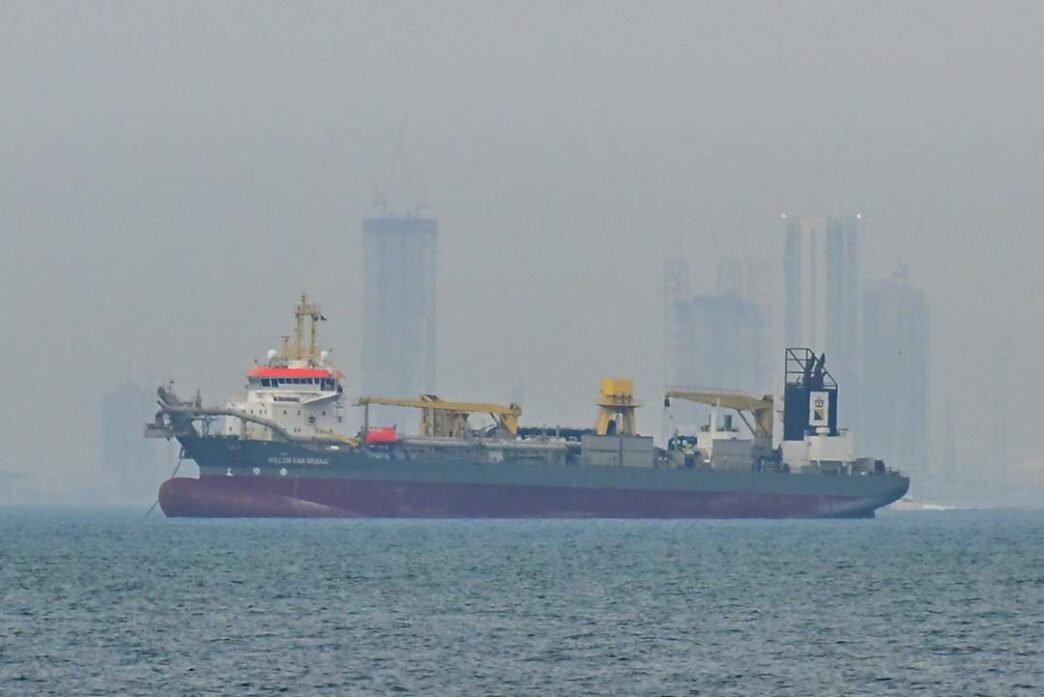
The Strait of Hormuz, a critical waterway for international oil trade, has become a focal point of global tensions as six major powers, including Britain, France, Germany, and Japan, announced their readiness to ensure safe passage through the strait, currently blockaded by Iran.
According to a joint statement, these nations are prepared to contribute to efforts guaranteeing the security of maritime traffic, as over 20 000 seafarers are stranded due to the blockade, which has significant implications for global oil prices and the economy.
Impact on Global Oil Prices
The situation in the Strait of Hormuz has already led to a rise in global oil prices, with some analysts predicting further increases if the blockade persists, as the International Energy Agency closely monitors the situation.
The blockade also raises concerns about the potential impact on South African petrol prices, as the country relies heavily on imported oil, and any disruption to global supply chains could lead to price hikes for consumers.
Potential Consequences for South Africa
The effects of the blockade on South Africa could be far-reaching, with potential consequences including:
- Increased petrol prices, affecting both consumers and businesses
- Disruptions to supply chains, potentially leading to shortages of essential goods
- Economic instability, as the blockade affects global trade and investment
As the situation continues to unfold, it remains to be seen how the international community will respond to the blockade, and what measures will be taken to ensure the safe passage of ships through the Strait of Hormuz, as the United Nations calls for a peaceful resolution to the crisis.