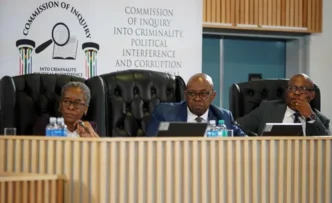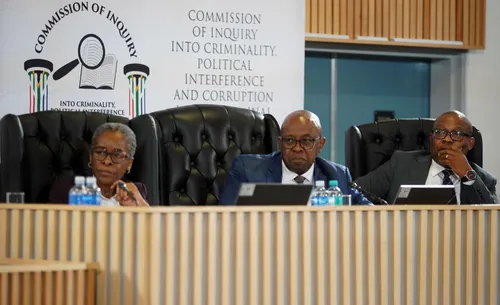

Major-General Hendrick Flynn’s testimony at the Madlanga Commission has highlighted serious concerns regarding the management and security of cocaine evidence by the KwaZulu-Natal Hawks, following a significant burglary of 541kg of cocaine. This incident has raised questions about the effectiveness of the Hawks in handling sensitive evidence.
Cocaine Evidence Management
The Hawks, a special directorate within the South African Police Service, are responsible for investigating serious crimes, including drug trafficking. According to the South African Police Service website, the Hawks have a mandate to combat organised crime, including the smuggling of illicit substances.
However, the burglary of 541kg of cocaine from the Hawks’ storage facility has exposed a significant lapse in security protocols. This incident has sparked concerns about the potential for evidence to be tampered with or stolen, which could compromise ongoing investigations and prosecutions.
Consequences of the Blunder
The consequences of this blunder are far-reaching and could have a significant impact on the criminal justice system. Some of the potential consequences include:
- Compromised investigations: The theft of cocaine evidence could compromise ongoing investigations and make it difficult for prosecutors to secure convictions.
- Erosion of public trust: The incident could erode public trust in the Hawks and the broader criminal justice system.
- Increased drug trafficking: The theft of such a large quantity of cocaine could lead to an increase in drug trafficking and related crimes.
The Madlanga Commission, established to investigate allegations of corruption and misconduct within the South African Police Service, will likely scrutinise the Hawks’ evidence management protocols and security measures to prevent similar incidents in the future.
As reported by the Department of Justice and Constitutional Development, the commission’s findings and recommendations will be crucial in restoring public confidence in the criminal justice system and ensuring that those responsible for the blunder are held accountable.