
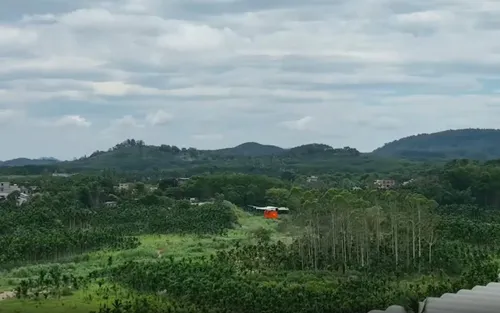
With rugged terrain covering 80% of the county, patients in Hainan often had no choice but to travel long distances or depend on staff to manually transport samples for complex testing—a process that is slow, costly, and vulnerable to disruption in bad weather. That’s where drones come in, revolutionizing the healthcare system by transporting medical samples from mountainous regions to hospitals.
Drones in Healthcare
The use of drones in healthcare is a growing trend, with many countries exploring their potential in remote or hard-to-reach areas. In Hainan, drones are being used to transport medical samples, blood, and other essential supplies, reducing the need for manual transport and minimizing the risk of disruption due to bad weather.
According to the World Health Organization, the use of drones in healthcare can significantly improve healthcare outcomes, particularly in remote or underserved areas. Drones can transport medical supplies, such as vaccines, to areas where they are needed most, reducing the risk of outbreaks and improving overall health.
Benefits of Drones in Healthcare
The benefits of using drones in healthcare are numerous. Some of the advantages include:
- Faster transportation of medical samples and supplies
- Reduced risk of disruption due to bad weather
- Increased access to healthcare services in remote or hard-to-reach areas
- Cost-effective compared to traditional transport methods
In Hainan, the use of drones in healthcare has already shown significant promise, with medical samples being transported quickly and efficiently to hospitals for testing and analysis. This has improved healthcare outcomes for patients and reduced the burden on healthcare workers.