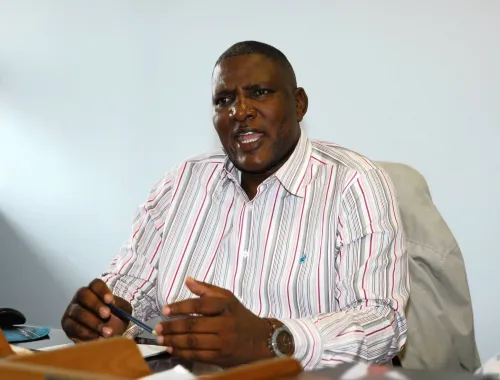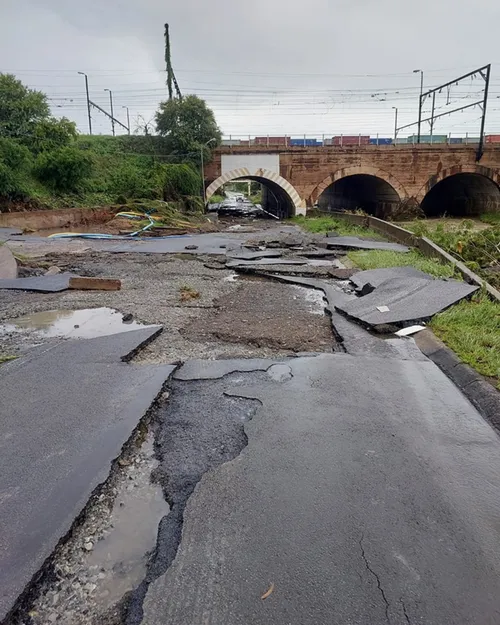
The revised eThekwini Disaster Management Policy Framework has been met with criticism from Dr Jonathan Annipen, an IFP councillor in eThekwini, who believes that the policy is largely reactionary rather than proactive. The framework, which was discussed at a council meeting on Thursday, provides a strategic foundation to strengthen disaster risk reduction and enhance resilience across the municipality.
According to the report tabled at the council, the previous disaster management framework, adopted in September 2009, had been in place for over a decade. Since then, the disaster management environment has evolved considerably, necessitating a comprehensive review to align with current risks, best practices, and legislative requirements. The revised framework was developed by the eThekwini Disaster Management Directorate in close collaboration with Provincial and National Disaster Management Centres, ensuring alignment with national guidelines and frameworks, as outlined on the National Disaster Management Centre website.
Key Concerns with the Revised Framework
Annipen expressed concerns that the policy appears to be a response to crises that have already occurred, rather than a strategy to prevent future disasters. He noted that good governance is not measured by how effectively a municipality responds to devastation, but by how effectively it prevents it. Annipen called for stronger inter-departmental coordination to address underlying issues, particularly in informal settlements where residents are most vulnerable to floods, fires, and other disasters.
The policy must go further in outlining clear strategies for relocation, where necessary, and infrastructure interventions in high-risk areas such as floodplains, riverbanks, and unstable land. This is critical in preventing disasters and reducing the risk of damage to property and loss of life. As noted by the United Nations, disaster risk reduction is a key aspect of sustainable development.
What Needs to be Done
To effectively implement the revised framework, the following steps need to be taken:
- Conduct regular risk assessments to identify areas of high risk and develop strategies to mitigate these risks
- Develop clear policies and procedures for relocation and infrastructure interventions in high-risk areas
- Establish stronger inter-departmental coordination to ensure effective implementation of the framework
- Provide training and capacity-building programs for municipal officials and emergency responders
By taking these steps, the municipality can ensure that the revised framework is effective in reducing the risk of disasters and enhancing resilience across the municipality.