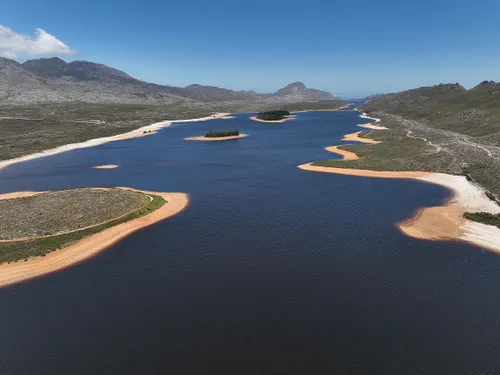
Cape Town’s dam levels have surged by 12.4% after recent storms, reaching a total capacity of 61.2%, according to city officials. This significant increase in water levels is a welcome relief for the city, which has been working to recover from a severe drought in recent years.
The intense storms that hit the region brought much-needed rain to the area, filling up the dams and alleviating some of the pressure on the city’s water supply. City officials are urging residents to remain vigilant and continue to conserve water, as the drought is not yet over.
Dam Levels and Water Conservation
The city’s dam levels have been a major concern in recent years, with levels dropping to as low as 20% in 2018. However, thanks to the efforts of residents and the city’s water conservation initiatives, the levels have been steadily increasing. The City of Cape Town has implemented a number of measures to reduce water usage, including restrictions on outdoor water use and incentives for residents to install water-efficient appliances.
Some of the key factors that have contributed to the increase in dam levels include:
- Increased rainfall in the region
- Improved water conservation efforts by residents
- Implementation of water-saving initiatives by the city
What This Means for Residents
The increase in dam levels is good news for residents, who have been living with water restrictions for several years. However, city officials are warning that the drought is not yet over and that residents need to continue to conserve water. The city is also urging residents to report any leaks or water waste to the authorities, as every liter of water saved counts.
For more information on water conservation and the city’s water management plans, residents can visit the Wikipedia page on water conservation or check the City of Cape Town’s website.