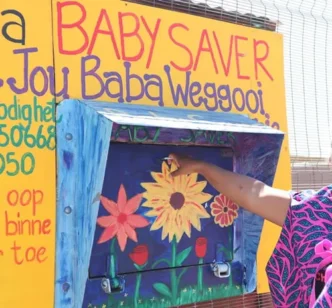
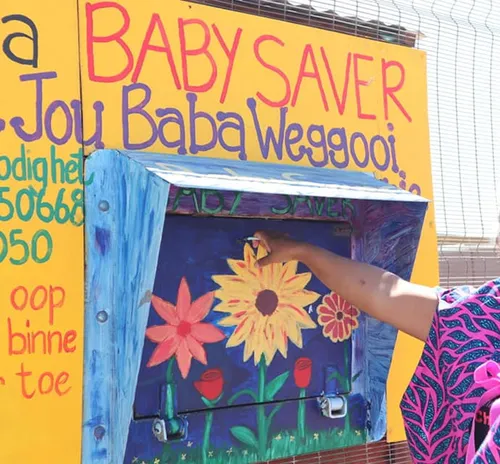
The Gauteng High Court is currently examining the legality of baby savers, also known as baby hatches, as organisations advocate for their recognition under South Africa’s child protection laws. This case raises vital questions about the safety and rights of vulnerable mothers and infants, and has sparked a national conversation about the role of these facilities in protecting the most vulnerable members of society.
According to the Department of Justice and Constitutional Development, the Child Protection Act of 2005 aims to protect children from abuse, neglect, and exploitation. However, the legislation does not explicitly address the issue of baby savers, leaving a grey area that has been exploited by those who oppose these facilities.
What are Baby Savers?
Baby savers are safe and anonymous places where mothers can leave their unwanted babies, often in emergency situations. These facilities are usually equipped with basic medical equipment and are staffed by trained professionals who can provide immediate care to the abandoned infant. The idea behind baby savers is to provide a safe alternative to abandoning babies in unsafe environments, such as public toilets or trash cans.
5 Key Issues Surrounding Baby Savers
There are several key issues surrounding baby savers that the Gauteng High Court will need to consider. These include:
- The constitutional right to life and dignity of both the mother and the child
- The potential for baby savers to be used as a means of avoiding responsibility for one’s actions
- The role of baby savers in reducing infant mortality rates and protecting vulnerable children
- The need for clear guidelines and regulations governing the operation of baby savers
- The potential impact of baby savers on the social and economic fabric of South African society
As the court deliberates on the legality of baby savers, it is essential to consider the broader social and economic context in which these facilities operate. As noted by the United Nations Children’s Fund (UNICEF), poverty, inequality, and lack of access to education and healthcare are all contributing factors to the abandonment of babies in South Africa.