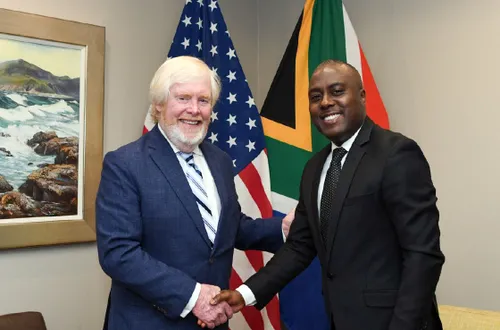
The African National Congress (ANC) has confirmed it will not meet with the incoming United States ambassador to South Africa, Leo Brent Bozell III, until he is formally accredited by President Cyril Ramaphosa. This step is considered standard diplomatic protocol, and the party says engaging with him before the formal presentation of credentials would be premature and diplomatically inappropriate.
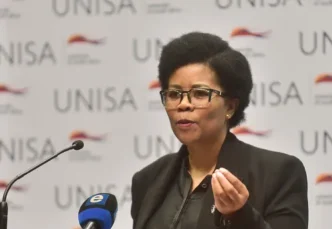
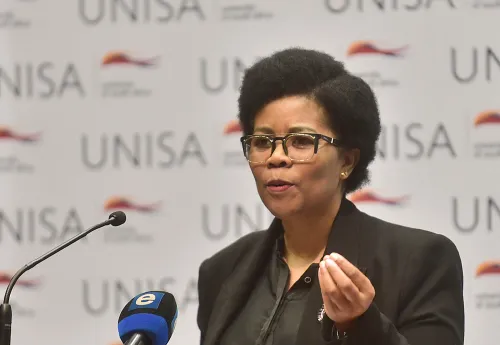
Speaking at a media briefing on Wednesday, ANC first deputy secretary-general Nomvula Mokonyane stressed that while Bozell has met with various stakeholders in Pretoria, he cannot yet be treated as an official ambassador. “Until the president formally receives the ambassador and accepts his credentials, he is not officially recognized in South Africa,” she said. “The ANC will not participate in informal meetings that lack formal diplomatic status and authority.”
ANC March to Constitutional Hill
The briefing also included the announcement that the ANC plans to lead a march to Constitutional Hill on 21 March in defence of South Africa’s sovereignty and the gains of democracy. Mokonyane emphasised that the march is not directed at the United States but is intended to assert South Africa’s right to self-determination and to protect national governance from external influence.
Tensions between the ANC and the US embassy have also been heightened by the ANC’s proposal to rename Sandton Drive, where the US embassy is located, to Leilah Khaled Drive. It was announced that Leilah Khaled is a Palestinian activist and member of the Popular Front for the Liberation of Palestine (PFLP), a group classified as a terrorist organisation by the United States, as stated on the US Department of State website.
Past Instances of Foreign Interference
The party also highlighted past instances of foreign interference in South Africa. ANC secretary-general Fikile Mbalula cited attempts by the Trump administration to influence domestic affairs, including calls for the arrest of Julius Malema over political slogans and pressure to halt transformation initiatives such as Broad-Based Black Economic Empowerment (B-BBEE). “South Africa will not allow foreign governments to dictate our laws or policies,” Mbalula said. For more information on the US government’s foreign policy, visit the White House website.
Some of the key issues that the ANC will be addressing during the march include:
- Protection of national sovereignty
- Promotion of self-determination
- Defence of democratic gains
Mokonyane further warned against external interference in other nations, citing Venezuela as an example where foreign involvement undermined sovereignty. She said the march would serve as a public demonstration of the ANC’s commitment to defending South Africa’s independence and democracy.